Everything Pantego homeowners need to know about professional tile installation, from costs to contractor selection.
Share:
Summary:
Tile installation in Arlington and Pantego typically runs $6.26 – $7.97 per square foot including labor and mid-grade tile. But that’s just the starting point. Your actual costs depend on several factors that many homeowners don’t consider upfront.
The average tile installation project costs around $2,000, ranging between $400 and $6,500, depending on the type of tile, square footage, and whether your contractor performs site preparation like removing old tile. You can expect to pay between $5 and $45 per square foot, largely depending on the type and quality of tiles you choose.
The wide price range exists for good reason. Ceramic tiles might cost $1 per square foot, while luxury options like natural stone can reach $350 per square foot before labor costs.
Several factors beyond tile choice impact your final investment. Substrate preparation often gets overlooked but makes the difference between a lasting installation and early failure.
If you start with an uneven subfloor, you’ll end up with uneven floor tiles. An uneven subfloor is a frequent cause of floor tile problems, which can lead to issues like cracked tiles, loose grout, or even tiles popping out of place. Professional contractors spend time ensuring your substrate is level, stable, and properly waterproofed.
Bathroom installations require additional waterproofing measures. Surfaces should be waterproofed before tiling in wet areas, such as within a shower area or the walls around a bath with an overhead shower. This is because grout is not 100% waterproof and, in time, moisture can seep behind the tiles and cause long-term damage to the walls, and adjoining rooms, and tiles may fall off.
Site access, removal of existing materials, and timeline requirements also influence pricing. Rush jobs cost more, while flexible scheduling can sometimes reduce labor costs. The complexity of your layout—diagonal patterns, intricate borders, or matching existing tile—requires more skilled labor and time.
Small bathroom tile installations can take just one weekend, but a 100 square foot master bathroom can take several days. Understanding realistic timelines helps you plan accordingly and avoid contractors who promise unrealistic completion dates.
On average, you can expect bathroom tiling to take around 12 hours, usually spread over at least two to three days. Tiling a floor takes around six hours, and tiling the shower area often takes six to 10 hours. These timeframes assume proper preparation work is complete.
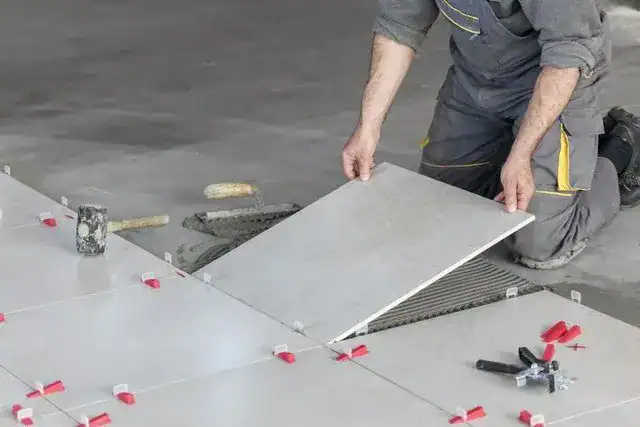
Professional installations follow a specific sequence. Day one typically involves substrate preparation, layout marking, and beginning tile placement. Installing tiles takes at least two days because after you lay the tile you must wait for about a day before setting the grout. This curing time is critical—rushing this step leads to installation failures.
Factors that extend timelines include complex patterns, waterproofing requirements, substrate repairs, and tile cutting needs. Weather can also impact adhesive curing times, particularly in humid conditions. Quality contractors build buffer time into their schedules rather than overpromising delivery dates.
Want live answers?
Connect with a A Plus Home Remodel expert for fast, friendly support.
Tile installers compete primarily based on price, because many tile contractors offer similar services for less specialized work. Customers seek out contractors with a proven track record of high-quality workmanship. But the lowest bid often becomes the most expensive choice when installations fail prematurely.
The return on investment from tiling your bathroom will likely be higher if a professional tile installer does the work. Tiling is a complicated job, and mistakes will be very evident and detract from the appearance and value of the finished work.
Look for contractors who understand that tile installation is both technical craft and visual art. We discuss substrate preparation, waterproofing methods, and layout planning before mentioning tile choices.
Certain warning signs indicate contractors who may create more problems than they solve. Door-to-door solicitors, cash-only payment requests, and unusually low bids often signal trouble ahead.
Many tile installation problems come from inaccurate floor layout. Contractors who skip the layout planning phase or don’t discuss substrate conditions are rushing toward potential failure. Professional installers always assess existing conditions before providing estimates.
Avoid contractors who can’t provide local references, proper licensing documentation, or insurance certificates. Even if your state doesn’t require your flooring installer to have a license, your municipality or city might, so it’s a good idea to check with your town before getting started. Hiring an unlicensed flooring installer could lead to poor quality work, costly future expenses, and potential code violations.
Communication style reveals professionalism levels. Contractors who don’t return calls promptly, provide vague estimates, or pressure immediate decisions often deliver disappointing results. Quality professionals take time to understand your needs and explain their processes clearly.
The right questions reveal contractor expertise and professionalism. Start with licensing and insurance verification, then dive into technical knowledge and process understanding.
Ask about substrate preparation methods for your specific situation. An experienced professional tile installer will thoroughly inspect and prepare the subfloor by sanding down high points, filling in low spots, and ensuring a smooth, even surface. Contractors should explain their waterproofing approach for bathroom installations.
Request detailed timelines including material delivery, prep work, installation phases, and cleanup. Quality contractors provide written estimates that break down labor, materials, and additional costs. We also discuss potential complications and how we handle unexpected issues.
Ask about warranty coverage for both materials and labor. Porcelain tile can last for 75 years or more with proper care, and even less durable ceramic tile will last for 60 years or more, provided it’s installed by a tile professional. Professional installations should be warrantied to match these expectations.
Successful tile installation in Pantego, TX comes down to three key elements: quality materials, professional installation, and proper planning. Adding new flooring close to when you sell your home, you can see up to a 70% ROI on your new floors. But only when the work is done right.
Don’t let price alone drive your contractor selection. Improper installation, including using the wrong adhesive, not allowing proper curing time, or uneven subflooring can lead to cracked tiles, shifting, or even popping out of place, resulting in expensive repairs and safety hazards.
When you’re ready to move forward with your tile installation project, A Plus Home Remodel brings over three decades of experience to Pantego area homeowners. Our complete project management approach ensures your installation is done right the first time, with the transparency and quality craftsmanship your investment deserves.
Article details:
Share:
Continue learning: