
Thinking about remodeling your home? This beginner-friendly guide walks you through setting goals, budgeting, hiring contractors, and timeline basics to get from idea to project kickoff.

Share:
Summary:
Before you start scrolling through Pinterest or calling contractors, you need to get clear on what you actually want. Not just the pretty finishes—though those matter—but the real reason you’re doing this.
Are you trying to fix something that’s broken or outdated? Create more space for a growing family? Increase your home’s value before selling? The “why” behind your project shapes everything else. It determines your budget, your timeline, and which rooms you tackle first.
Start by walking through your home and making notes. What’s not working? What drives you crazy every single day? Those pain points are usually your best starting place, because fixing them gives you the biggest quality-of-life improvement.
Once you’ve identified what needs attention, it’s time to prioritize. You probably can’t do everything at once—and honestly, you shouldn’t try. Tackling too much creates chaos, blows budgets, and extends timelines until you’re living in a construction zone for months longer than planned.
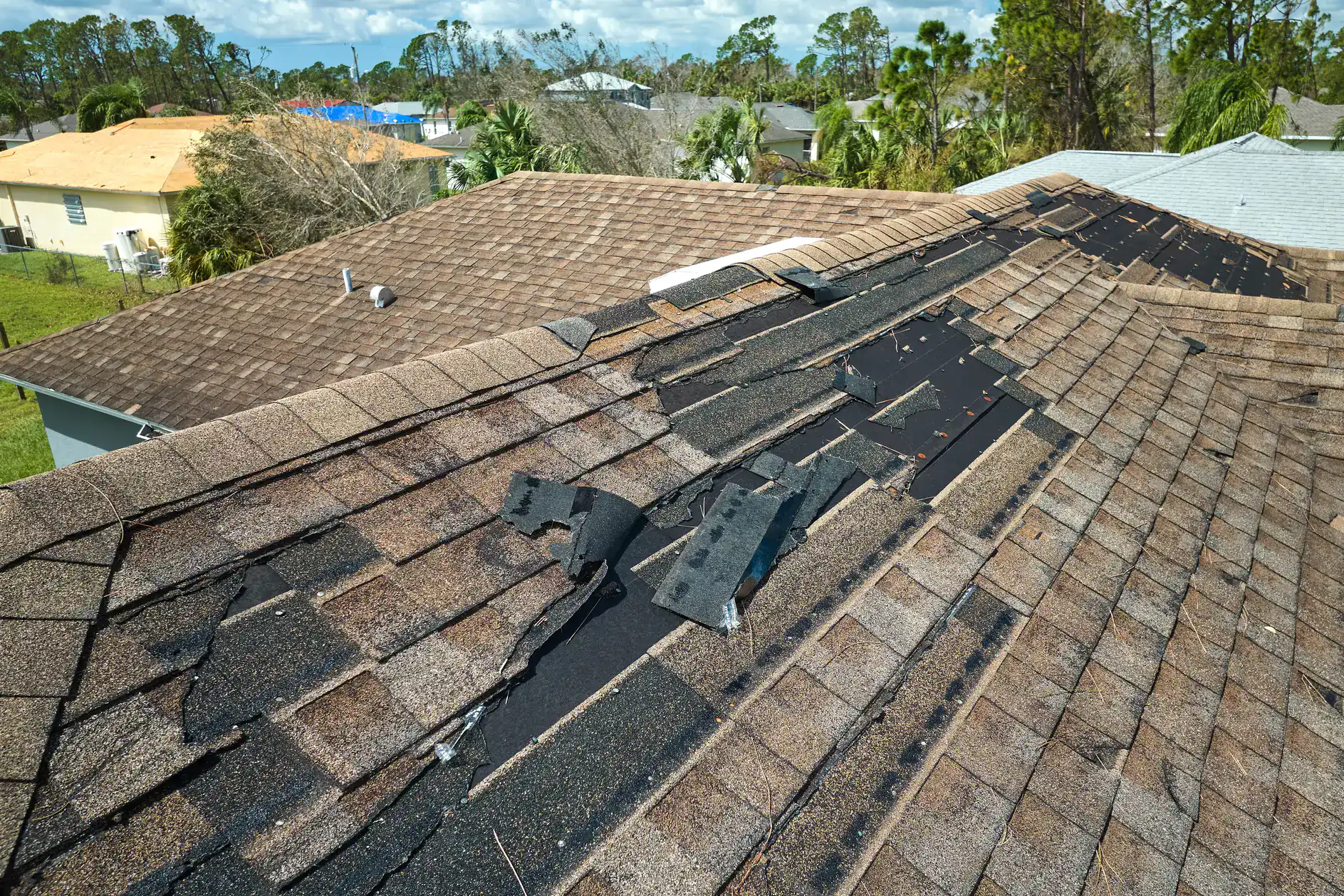
Think about what’s most urgent versus what’s most exciting. A leaking roof or outdated electrical system isn’t glamorous, but it needs to come first. Safety and structural issues always take priority over cosmetic upgrades, no matter how much you want that farmhouse sink.
Next, consider which projects give you the most value. In Tarrant, TX, Pantego, TX, and Arlington, TX, kitchen and bathroom remodels typically offer strong returns on investment while also improving your daily life. If you’re planning to stay in your home long-term, focus on changes that make your space work better for how you actually live. If you’re thinking about selling within a few years, talk to a local realtor about which improvements matter most to buyers in your area.
Also think about the domino effect. Some projects naturally lead to others. If you’re opening up walls for a kitchen remodel, that might be the time to update electrical and plumbing throughout the house—even if it wasn’t in your original plan. Doing related work together often saves money and headaches down the road.
Don’t forget about timing. Some projects are easier to tackle during certain seasons. Major interior work might make more sense in winter when you’re not hosting backyard gatherings. Outdoor projects like patios or fencing work better in milder weather. Planning around your life—holidays, work schedules, kids’ school breaks—makes the whole process more manageable.
And here’s something people don’t talk about enough: emotional readiness. A home renovation is disruptive. You’ll have strangers in your house, dust everywhere, and routines thrown off. Make sure you’re mentally prepared for that reality before you commit. If you’re already dealing with major life stress, it might be worth waiting until things settle down.
A good checklist keeps you organized and prevents those “oh no, I forgot about that” moments that derail projects and drain budgets. But it needs to be realistic and specific to your situation—not just a generic list you found online.
Start with the big picture items. What rooms are you remodeling? What’s the scope of each project? Are you doing cosmetic updates or structural changes? Cosmetic work—new paint, flooring, fixtures—is one thing. Moving walls, relocating plumbing, or changing electrical systems is another level entirely, with different costs, timelines, and permit requirements.
Break down each project into phases. Most home remodeling projects follow a similar order: planning and design, permits and approvals, demolition, structural work, mechanical systems (plumbing, electrical, HVAC), drywall and finishes, and final touches. Understanding this sequence helps you see where you are in the process and what’s coming next.
List out all the decisions you need to make. This is where people often get stuck. You’ll need to choose materials, finishes, fixtures, appliances, colors, hardware—the list goes on. The earlier you make these decisions, the smoother your project runs. Waiting until the contractor needs an answer creates delays and stress.
Include the practical stuff that’s easy to overlook. Where will you store your belongings during construction? Do you need to set up a temporary kitchen? What about pets—do they need to be somewhere else during loud or messy phases? How will you handle daily life when your bathroom is torn apart? These aren’t fun questions, but addressing them upfront saves sanity later.
Don’t forget the administrative tasks. You’ll need to research contractors, get multiple quotes, check references, verify licenses and insurance, review contracts, arrange financing if needed, and keep all your paperwork organized. It sounds tedious because it is—but it’s also essential.
Add buffer time and budget to your checklist. Things will take longer than expected. Costs will creep up. Materials might be backordered. Surprises will pop up once walls are opened. Planning for these realities isn’t pessimistic—it’s smart. Setting aside 10 to 20 percent of your available funds for unexpected expenses is important, since it’s not uncommon for something to cost more than originally projected.
Finally, build in checkpoints. Schedule regular check-ins with your contractor to review progress, address concerns, and make sure everything’s on track. Don’t wait until something’s wrong to speak up. Good communication throughout the process prevents small issues from becoming big problems.
Want live answers?
Connect with a A Plus Home Remodel expert for fast, friendly support.
Let’s talk about money, because this is where a lot of home remodeling projects go sideways. You need a realistic budget—not the number you wish you could spend, but what you can actually afford without creating financial stress.
Start by looking at your finances honestly. How much do you have available? Are you paying cash, using savings, taking out a loan, or tapping into home equity? Each option has trade-offs. Cash is ideal because you avoid interest, but it might limit your scope. Financing gives you more flexibility but adds to your monthly obligations.
Research what things actually cost in your area. National averages don’t mean much when labor rates and material costs vary by region. In Tarrant County, you’ll pay different prices than someone in rural Texas or a major metro like Houston. Get multiple estimates from local contractors to understand real pricing for your specific project.

Home renovation costs break down into several categories, and understanding where your money goes helps you make smarter decisions about where to splurge and where to save.
Labor typically eats up the biggest chunk—often 40-60% of your total budget. This includes your general contractor, subcontractors for specialized work like plumbing and electrical, and anyone else working on your project. Skilled labor isn’t cheap, but it’s worth paying for. Bad work costs more to fix than good work costs to do right the first time.
Materials are the next major expense. This is where your choices make a huge difference. Custom cabinets versus stock? Granite countertops versus quartz or laminate? Hardwood floors versus luxury vinyl? The range is massive. You can absolutely find quality options at different price points, but you need to be realistic about what fits your budget.
Permits and inspections cost money too. In Tarrant, TX, Pantego, TX, and Arlington, TX, most significant remodeling projects require permits to ensure work meets local building codes. Some homeowners try to skip this step to save money, but that’s a mistake. Unpermitted work can cause problems when you sell, void your insurance, or result in fines. A good contractor handles permits as part of their service.
Don’t forget about the hidden costs that catch people off guard. Temporary housing if you need to move out during construction. Storage for your belongings. Eating out more because your kitchen is unusable. Replacing items that get damaged during construction. These aren’t huge individually, but they add up.
Then there are the surprises. Once walls come down, you might discover outdated wiring that needs updating, plumbing that doesn’t meet code, water damage, or structural issues. Older homes especially tend to hide problems. Nearly half of U.S. owner-occupied homes were built before 1980, which means many homes in Tarrant County need updates to electrical, plumbing, HVAC, and insulation systems. This is why that 10-20% contingency fund isn’t optional—it’s essential.
Be strategic about where you spend. Invest in things you can’t easily change later—structural work, quality plumbing and electrical, good bones. You can always upgrade finishes down the road, but fixing foundation issues or rewiring after everything’s closed up is exponentially more expensive.
Also think about return on investment. Some projects recoup more of their cost when you sell. Kitchen and bathroom remodels typically offer solid returns. So do projects that improve curb appeal or energy efficiency. A common guideline is to spend no more than 30% of your home’s value on renovations and projects to protect against renovations exceeding your property value.
Choosing the right contractor might be the most important decision in your entire home renovation. A good contractor makes the process smooth. A bad one creates stress, delays, cost overruns, and work you’ll have to fix later.
Start your search by asking people you trust. Friends, family, neighbors who’ve done similar projects—their experiences matter more than online ads. If someone you know had a great remodeling experience, that contractor is worth calling. If they had a nightmare, you know who to avoid.
Once you have a list of potential contractors, do your homework. Check their online presence. Do they have a professional website? Reviews from real customers? Photos of completed projects? A contractor who’s been around for a while should have all of this. If they’re impossible to find online or have mostly negative reviews, that’s a red flag.
Verify credentials. In Texas, contractors need proper licensing and insurance. Don’t take their word for it—ask to see documentation. A licensed contractor has met certain standards and can pull permits. Insurance protects you if something goes wrong. Working with someone who’s not properly licensed and insured is a huge risk you don’t want to take.
Get at least three detailed estimates. Notice I said detailed—not just a bottom-line number. You need to see what’s included, what materials they’re using, how long they expect the project to take, and what the payment schedule looks like. This lets you compare apples to apples instead of just picking the lowest bid.
Speaking of bids, be suspicious of quotes that seem way too good to be true. They usually are. A dramatically low estimate often means the contractor is cutting corners, using cheap materials, or underbidding to get the job and planning to hit you with change orders later. The lowest price rarely equals the best value.
Interview your top candidates in person. Pay attention to how they communicate. Do they listen to what you want? Ask good questions about your project? Explain their process clearly? Give you straight answers? Or do they talk over you, seem rushed, use confusing jargon, or make promises that sound unrealistic? Trust your gut on this.
Ask about their process. How do they handle unexpected issues? What’s their communication style—will you get regular updates, or will you have to chase them down? Who will actually be doing the work—them, or subcontractors? How do they manage timelines and keep projects on schedule? A contractor with a clear, organized process is much more likely to deliver a good experience.
Check references. Any reputable contractor should happily provide contact information for recent clients with similar projects. Call those people. Ask about their experience. Did the project stay on budget and timeline? How did the contractor handle problems? Would they hire them again? You’ll learn a lot from these conversations.
Read the contract carefully before signing anything. It should spell out exactly what work is being done, what materials are being used, the project timeline, the payment schedule, and what happens if there are changes or delays. If something’s vague or missing, ask for clarification. Get everything in writing—verbal promises don’t hold up if there’s a dispute later.
For homeowners in Tarrant, TX, Pantego, TX, and Arlington, TX, working with a local contractor who understands area-specific requirements makes a difference. They know local building codes, have relationships with inspectors, and understand what works in North Texas homes. That local expertise can save you time and headaches throughout your renovation project.
Planning a home renovation doesn’t have to feel overwhelming when you break it down into manageable steps. Set clear goals for what you want to accomplish. Create a realistic budget that includes a buffer for surprises. Build a detailed checklist that keeps you organized. And most importantly, take your time finding the right contractor—someone who communicates well, has the proper credentials, and makes you feel confident about the project.
The difference between a renovation that exceeds your expectations and one that becomes a nightmare usually comes down to planning and partnership. When you do your homework upfront and work with experienced professionals who understand what you’re trying to accomplish, you set yourself up for success.
We’ve been helping Tarrant County homeowners bring their renovation visions to life for over 30 years. From initial consultation through project completion, we provide the expertise, transparency, and complete project management that turns stressful remodels into smooth experiences. If you’re ready to move from planning to action, reach out to discuss your project and get honest answers about what’s involved.
Article details:
Share:
Continue learning: