Share:
Summary:
You’ve probably been putting it off for a while now. That outdated bathroom with the cracked tile, the shower that’s too small, the vanity with zero storage. Maybe the lighting makes you look like you haven’t slept in a week, or the whole space just feels cramped and dated.
A bathroom remodel can fix all of that. But if you’ve never done one before, the process can feel overwhelming. How much will it actually cost? How long will you be without a bathroom? What happens if they find problems behind the walls?
This guide is written for Tarrant County homeowners who want straight answers. You’ll learn what a bathroom renovation actually involves, what you should budget, how to choose the right contractor, and what to expect from start to finish.
Most bathroom remodels fail during the planning stage, not the construction stage. You need to know what you’re trying to solve before you start picking out tile.
Start by identifying what’s not working. Is it a storage problem? A layout issue? Outdated fixtures? Poor lighting? Once you know what needs to change, you can build a plan that actually addresses those problems instead of just making cosmetic updates that don’t improve how the space functions.
The planning phase is also when you set your budget, choose your scope, and decide whether you’re doing a cosmetic refresh or a full renovation. Those decisions shape everything that comes after. A clear plan prevents scope creep and keeps your project on track.
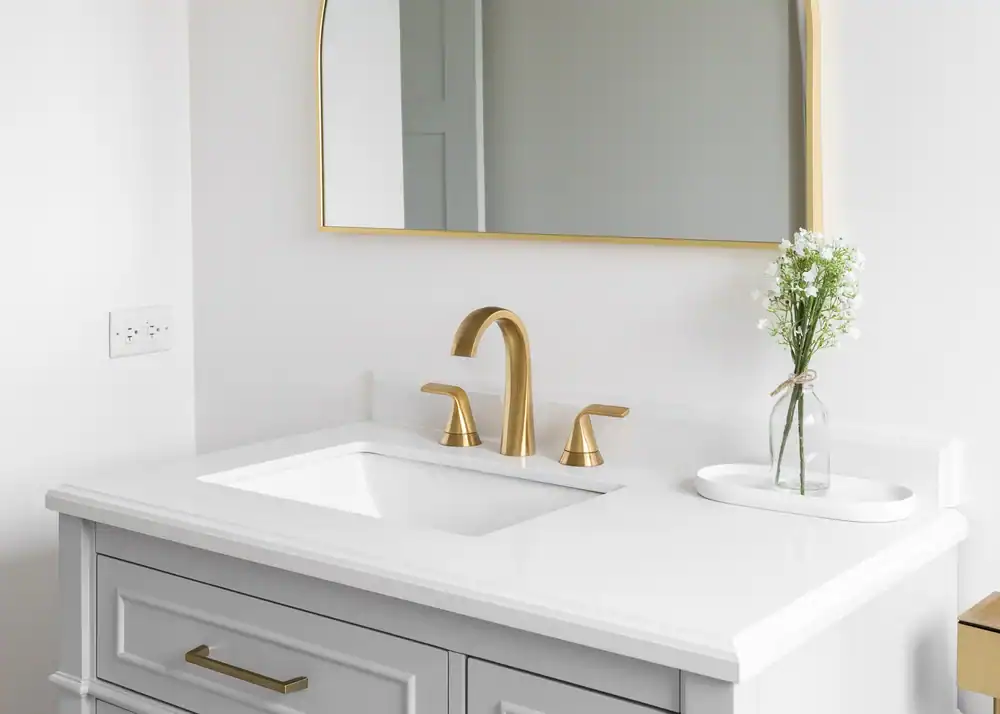
A complete bathroom remodel isn’t just swapping out a few fixtures. It’s a coordinated project that involves multiple trades and careful sequencing.
Here’s what typically gets addressed. Demolition comes first—removing old tile, vanity, toilet, tub or shower, flooring, and sometimes drywall if there’s water damage or layout changes. Then comes rough-in work, which includes relocating or updating plumbing lines, running new electrical circuits for lighting and outlets, and upgrading ventilation if needed.
Next is waterproofing and tile installation. This is where proper technique matters most. Quality waterproofing systems prevent leaks and mold growth years down the road. Tile work includes shower walls, floors, and any accent areas you’ve planned.
After tile comes fixture installation—vanity, countertop, sink, faucet, toilet, shower system, and bathtub if you’re keeping one. Lighting gets installed, mirrors go up, and any custom cabinetry or storage solutions get built in.
Finally, paint, trim, and finishing touches complete the space. The entire process requires coordination between multiple skilled trades, proper sequencing, and attention to detail at every stage. When one step is rushed or done incorrectly, it affects everything that follows.
That’s why working with a bathroom remodeling company that manages the full process matters. You’re not coordinating five different contractors and hoping they all show up on schedule. One team handles everything from design through final walkthrough.
Some homeowners consider DIY bathroom remodels to save money. That works for painting walls or replacing a vanity. It doesn’t work for plumbing, electrical, waterproofing, or tile installation—not if you want it done right.
Here’s why. Plumbing mistakes lead to leaks, water damage, and mold growth. Those problems often don’t show up immediately. They appear months or years later, hidden behind walls, slowly destroying your subfloor and framing. By the time you notice, the repair costs far exceed what you would have paid a licensed plumber upfront.
Electrical work in bathrooms has strict code requirements. Outlets need GFCI protection. Circuits need proper amperage. Fixtures need correct spacing from water sources. Get it wrong and you’re creating safety hazards. Tarrant County building inspectors will fail your permit if the work doesn’t meet code.
Waterproofing is the most critical step in any shower installation. If the waterproof membrane isn’t installed correctly—proper overlaps, sealed seams, correct thickness—water will eventually penetrate. Once water gets behind tile, it damages the substrate, causes mold, and requires complete tear-out and reinstallation.
Professional bathroom renovation contractors know how to sequence the work, source quality materials, navigate permit requirements, and handle the inevitable surprises that come with opening up walls. They carry insurance that protects you if something goes wrong. And they stand behind their work with warranties.
The money you save attempting DIY often gets spent fixing mistakes. The time you invest learning on YouTube could stretch a two-week project into two months. And if you’re planning to sell your home, unpermitted DIY work can create problems during inspection.
For cosmetic updates—new paint, updated hardware, a replacement mirror—DIY makes sense. For anything involving plumbing, electrical, or structural changes, hire licensed professionals.
Want live answers?
Connect with a A Plus Home Remodel expert for fast, friendly support.
The most common question homeowners ask is, “How much does a bathroom remodel cost?” The answer depends entirely on scope, size, and material selections.
In Tarrant County, bathroom remodels typically range from fifteen thousand dollars for basic updates to thirty-five thousand or more for luxury renovations. A standard hall bathroom with a new vanity, toilet, shower, and flooring usually runs between eighteen and twenty-five thousand. Master bathrooms with custom features, high-end tile, and premium fixtures can easily reach thirty to forty thousand.
Those ranges are wide because every project is different. The bathroom size, the extent of plumbing and electrical work, the quality of materials, and whether you’re changing the layout all impact final cost. Understanding what drives pricing helps you budget realistically and avoid surprises.
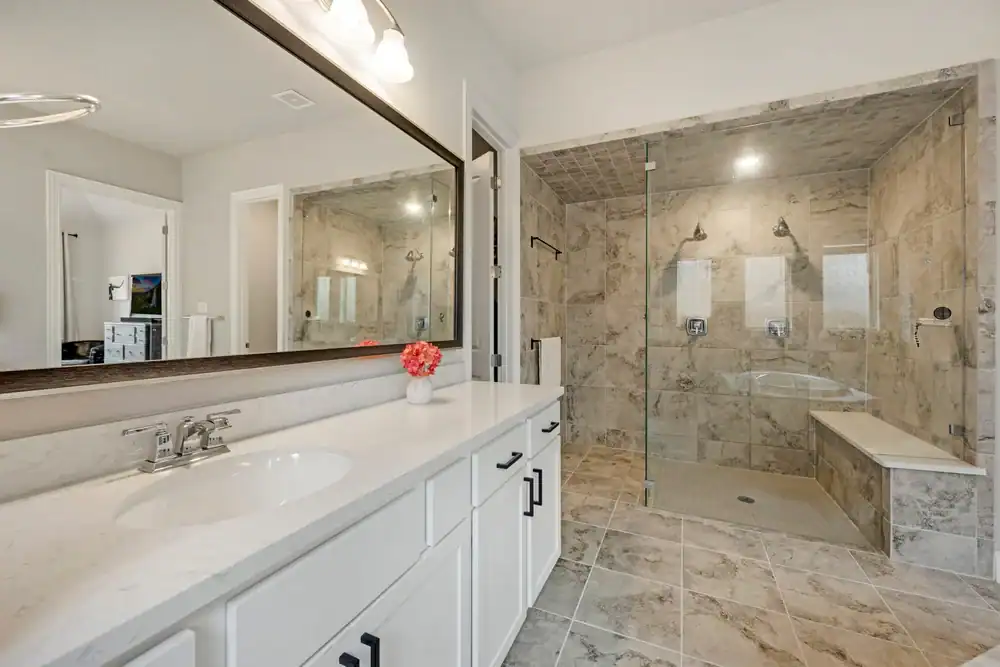
One of the most popular updates in Tarrant County is converting a bathtub to a walk-in shower. More than half of homeowners now prioritize a larger shower over keeping a tub in the primary bathroom.
A bathroom tub to shower conversion involves removing the existing tub, reconfiguring the plumbing, installing a new shower pan or tile base, waterproofing the walls, tiling the shower surround, and adding glass doors or a curtain. Costs typically range from five thousand to twelve thousand depending on tile selection, shower system quality, and whether you’re adding features like built-in benches or niches.
If you’re keeping a tub but replacing it, bathtub replacement cost depends on the type you choose. Standard alcove tubs are the most affordable, usually between three hundred and eight hundred for the tub itself, plus installation labor. Freestanding soaking tubs range from one thousand to four thousand or more. Installation costs vary based on whether plumbing needs to be relocated.
Small bathroom tub to shower conversion projects work well in tight spaces because showers take up less visual space than tubs. A well-designed shower with frameless glass can make a small bathroom feel significantly larger. You gain usable space and create a more modern, accessible layout.
The key to any shower conversion is proper waterproofing. Cutting corners here leads to expensive problems later. Quality contractors use proven waterproofing membranes, install tile correctly with proper slope for drainage, and ensure all penetrations are sealed. Those details determine whether your shower lasts five years or thirty.
When budgeting for conversions, factor in demolition, plumbing modifications, waterproofing materials, tile and installation labor, shower fixtures, and glass enclosure if you’re going frameless. Get detailed estimates that break down each component so you understand where your money goes.
Understanding how bathroom construction costs break down helps you make informed decisions about where to invest and where to save.
Labor typically accounts for thirty-five to fifty percent of your total budget. This includes demolition, plumbing, electrical, tile installation, carpentry, and finishing work. In North Texas, labor costs run ten to fifteen percent higher than the state average due to strong demand for experienced contractors and specialized trades.
Materials make up the other fifty to sixty-five percent. Tile and fixtures represent the largest material expense—usually forty percent of your total budget. Vanity and countertop account for another fifteen percent. Plumbing fixtures, lighting, mirrors, and hardware make up the remainder.
Here’s where costs can escalate quickly. Choosing high-end tile at fifteen dollars per square foot instead of mid-range tile at eight dollars adds thousands to your project. Selecting a custom vanity instead of a stock option adds another two to five thousand. Premium shower systems with body sprays and digital controls can run three to six thousand compared to a standard valve and showerhead at six hundred.
The cost of walk in shower remodel projects varies based on size and finishes. A basic five-by-three-foot shower with standard tile and a simple glass door might cost seven thousand. The same size shower with large-format porcelain tile, a custom niche, built-in bench, rainfall showerhead, and frameless glass enclosure could reach fifteen thousand.
Permit fees in Tarrant County municipalities typically range from one hundred fifty to four hundred depending on project scope. Inspections are included in permit costs. Your contractor should handle all permitting and coordinate inspections as part of their service.
Unexpected costs are the budget killer most homeowners don’t plan for. When walls get opened up, you might discover water damage, outdated wiring, or plumbing that needs replacement. Setting aside ten to fifteen percent of your budget as contingency protects you when surprises appear. Experienced contractors inspect carefully before providing estimates to minimize these surprises, but older homes can hide problems that aren’t visible until demolition begins.
A master bath remodel is where homeowners typically invest the most because it’s the bathroom you use every day. This is your space, and it should function perfectly for your routine while feeling like a retreat.
Luxury bathroom remodel projects in Tarrant County focus on spa-like features, high-end materials, and thoughtful details. Walk-in showers with multiple showerheads, heated floors, freestanding soaking tubs, double vanities with ample storage, and layered lighting create that elevated experience.
The trend in twenty twenty-six leans toward wellness-focused design. Homeowners want bathrooms that support relaxation and daily comfort, not just look good in photos. That means prioritizing function alongside aesthetics.
Article details:
Share:
Continue learning: