Outdoor concrete patios offer Texas homeowners a durable, low-maintenance solution that increases property value while expanding living space for a fraction of deck costs.
Share:
Summary:
When you’re comparing backyard remodel ideas, the choice usually comes down to concrete, pavers, or wood decking. Each has its place, but concrete stands out for specific reasons that matter in North Texas.
Cost is the first thing most people notice. Concrete patios typically run $5 to $18 per square foot depending on the finish you choose. Wood decks start around $15 and can hit $40 per square foot. Pavers fall somewhere in between at $20 to $35 per square foot. That price gap adds up fast when you’re covering 300 or 400 square feet.
But the real difference shows up over time. Wood requires staining or sealing every year or two. Pavers need occasional re-leveling and joint sand replacement. Concrete? You’ll clean it now and then and maybe reseal it every few years. That’s it. The maintenance difference alone can save you thousands over the life of your outdoor living space.
Texas weather isn’t kind to outdoor structures. You’ve got summer days pushing past 100 degrees, UV radiation that fades and degrades materials, and clay soil that swells when it rains and shrinks during dry spells. Wood warps, cracks, and rots. Pavers can shift if the base isn’t perfect.
Concrete, when installed correctly, handles all of it. The key is in the foundation work. Tarrant County sits on expansive clay soil, which means the ground literally moves beneath your patio. A proper concrete installation includes a reinforced base, often with rebar or wire mesh, and enough thickness to resist cracking as the soil shifts.
The concrete itself resists UV damage better than wood, which fades and splinters under constant sun exposure. It doesn’t absorb moisture like wood, so you don’t deal with rot, mold, or insect damage. During those rare North Texas freezes, properly installed concrete with adequate drainage won’t heave or crack the way poorly prepared surfaces do.
This durability matters because you’re not just building something for next summer. You’re creating an outdoor living space that should last 30 years or more without major repairs. Wood decks typically need significant work or replacement within 10 to 15 years, even with diligent maintenance. That lifespan difference changes the math on your investment entirely.
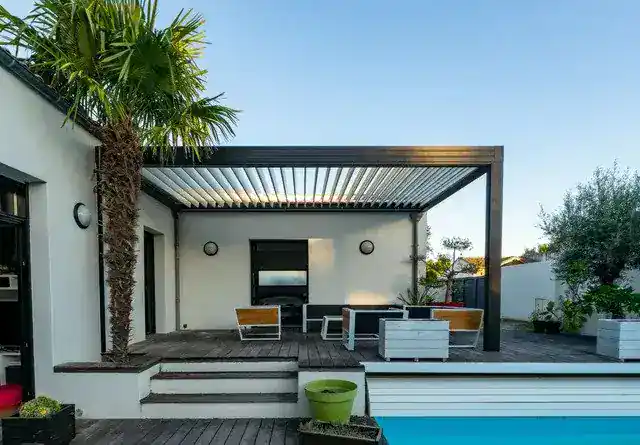
Temperature management is another factor. Yes, concrete gets hot in direct sun, but that’s where design comes in. Lighter colored concrete reflects more heat. Stamped or textured finishes can help too. Many homeowners pair their concrete patios with pergolas or shade structures, which protect both the surface and the people using it. The concrete itself won’t degrade from the heat, which is more than you can say for wood or composite decking materials.
One of the biggest misconceptions about concrete is that it’s boring or industrial looking. That might have been true decades ago, but modern decorative concrete offers more design flexibility than most people realize. The question isn’t whether concrete can look good, it’s which option fits your budget and your home’s style.
Basic broom-finished concrete is the most affordable option, usually $5 to $8 per square foot. It’s exactly what it sounds like: smooth concrete with a light texture brushed across the surface for traction. It’s clean, functional, and significantly cheaper than any other patio material. If you’re working with a tight budget or planning to sell soon, this gives you a finished outdoor space without breaking the bank.
Stained concrete adds color without adding much cost, typically $7 to $14 per square foot. Acid stains create earthy, variegated tones that look natural and hide minor imperfections well. Water-based stains offer more color options if you want something specific. Either way, you’re getting a custom look that doesn’t fade like paint and costs less than decorative pavers.
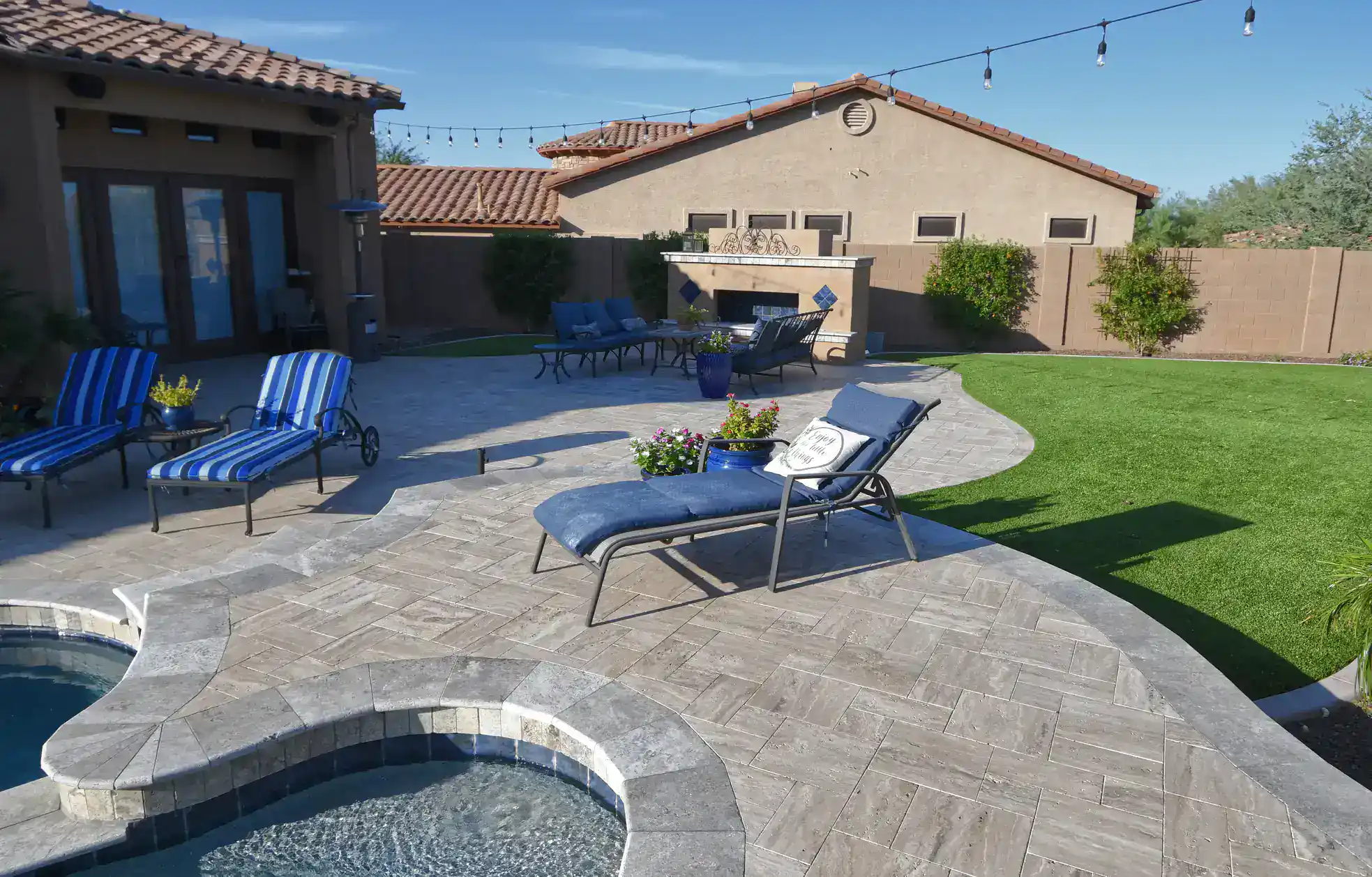
Stamped concrete is where things get interesting. At $9 to $30 per square foot, it costs more, but it can mimic the look of flagstone, slate, brick, or even wood planks. The concrete is poured, then patterns are pressed into the surface before it fully cures. You can add color, borders, and multiple patterns. Done well, it gives you the high-end look of natural stone at about a third of the cost. This is one of the most popular concrete patio ideas for homeowners who want that premium appearance without the premium price tag.
Exposed aggregate is another option worth considering, running $7 to $18 per square foot. The top layer of cement is removed to reveal the decorative stones mixed into the concrete. It creates texture, adds visual interest, and provides excellent traction, which matters around pools or in areas that might get wet. It’s also incredibly durable since you’re essentially walking on stone.
The style you choose should match your home’s architecture and your neighborhood’s expectations. A modern home might look great with smooth, stained concrete in clean geometric shapes. A traditional home might benefit from stamped concrete that mimics natural stone with curved edges and integrated landscaping. The goal is to create something that feels like a natural extension of your home, not an afterthought tacked onto the back of the house.
Budget matters, but so does longevity. Sometimes spending an extra $3 or $4 per square foot on a better finish means you’ll actually enjoy using the space instead of wishing you’d done something different. We can walk you through the options and show you real examples of how different finishes hold up over time in Texas weather.
Want live answers?
Connect with a A Plus Home Remodel expert for fast, friendly support.
The question everyone asks first is “how much will this cost?” The honest answer is: it depends on factors you might not have considered yet. Size matters, obviously. A 200-square-foot patio costs less than a 400-square-foot patio. But the price per square foot often drops as the project gets larger because fixed costs like permits, equipment, and mobilization get spread across more square footage.
Site conditions have a bigger impact than most people expect. If your yard is relatively flat and accessible, installation is straightforward. If there’s a slope, poor drainage, or limited access for equipment, costs go up. Sometimes significantly. Grading and leveling work can add $1,000 to $3,000 to a project. If the concrete truck can’t reach your backyard and the crew has to pump or wheelbarrow the concrete, that’s additional labor and time.
The existing condition of your space matters too. Are you pouring concrete over bare dirt, or do you need to remove an old patio first? Demolition and disposal add to the cost. On the other hand, if you already have a concrete slab in decent shape, you might be able to resurface it with a decorative concrete overlay for much less than starting from scratch.
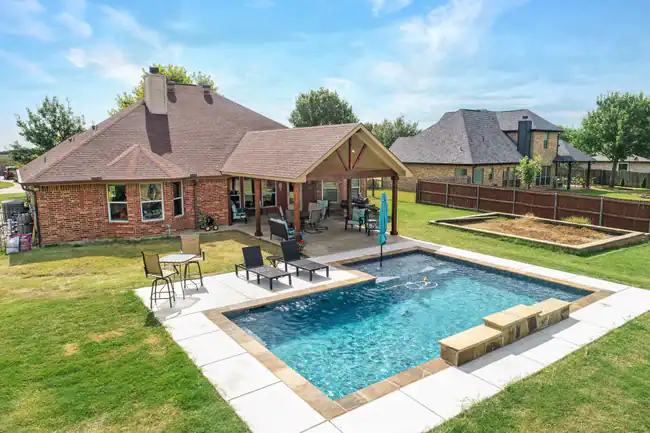
Understanding the installation process helps you know what you’re paying for and why cutting corners ends badly. A quality concrete patio installation in Tarrant County involves several steps, and skipping any of them leads to problems down the road.
First comes site preparation. The area gets excavated to the proper depth, usually 4 to 6 inches depending on the planned use and soil conditions. In Texas, dealing with clay soil means paying close attention to the base. A compacted gravel base goes down first, creating a stable foundation that allows for drainage and reduces the impact of soil movement. This base is critical. Rush it or skip it, and you’ll have cracks within a year or two.
Next is the formwork and reinforcement. Forms define the shape and edges of your patio. Reinforcement, either rebar or wire mesh, gets positioned within the forms to give the concrete tensile strength. Concrete is strong under compression but weak under tension. When the soil shifts or settles, reinforcement prevents cracks from forming or spreading.
Then comes the pour itself. Concrete needs to be mixed to the right specifications, poured at the right temperature and weather conditions, and worked properly to eliminate air pockets. The crew screeds it level, floats the surface, and applies whatever finish you’ve chosen, whether that’s a broom texture, stamp pattern, or exposed aggregate.
Curing is the step most people don’t think about, but it’s essential. Concrete doesn’t dry, it cures through a chemical reaction that requires moisture. Proper curing takes days, sometimes a week or more depending on conditions. Rush it, and the concrete won’t reach its full strength. You’ll end up with a weaker surface that’s more prone to cracking and wear.
Finally, there’s sealing. A quality sealer protects the concrete from moisture penetration, staining, and UV damage. It’s not optional if you want your patio to look good and last. Depending on the sealer type and the amount of use your patio gets, you’ll need to reapply it every three to five years. That’s still far less maintenance than wood decking requires.
Permits are another part of the process that matters more than people realize. Most cities in Tarrant County require permits for concrete patios, especially if they’re attached to the house or exceed certain size thresholds. Permits aren’t just bureaucratic paperwork. They ensure the work meets building codes, which protects you if something goes wrong and matters when you sell the house. We handle permits as part of the process to eliminate that headache for you.
The real benefits of concrete patios reveal themselves over time. Year one, you’re enjoying the new space. Year five, you’re noticing you haven’t had to do anything to it except hose it off occasionally. Year ten, you’re watching your neighbor restain their deck for the third time while your patio still looks solid. That’s the reality of low-maintenance outdoor living.
Maintenance is where concrete wins decisively. Wood decks need annual cleaning, staining, or sealing to prevent rot and maintain appearance. Fasteners loosen. Boards warp or split. Eventually, sections need replacement. Pavers can settle unevenly, requiring releveling and fresh joint sand. Weeds grow between them. Concrete? You’ll clean it when it gets dirty and reseal it every few years. That’s the extent of it. The time and money saved on maintenance over 20 or 30 years is substantial.
Property value impact is another long-term benefit. Well-designed outdoor concrete patios add 8 to 12 percent to your home’s value according to recent real estate data. The return on investment typically ranges from 80 to over 100 percent, meaning if you spend $8,000 on a patio, you could see your home value increase by $6,400 to $8,000 or more. Some studies show even higher returns, particularly for mid-range installations that match the home’s overall style and neighborhood expectations.
The ROI matters whether you’re planning to sell soon or staying put. If you’re selling, a finished patio makes your property more competitive and appealing to buyers who are increasingly prioritizing outdoor living space. If you’re staying, you’re creating usable square footage that expands how you live in your home. That outdoor dining area or entertaining space has real value in how you use your property day to day.
Concrete patios are also fire-resistant, which matters more than people think. If you want a fire pit or outdoor fireplace, concrete provides a safe, non-combustible surface. Wood decking near fire features is a liability. In areas prone to wildfires or during dry Texas summers when fire risk is high, having a non-flammable outdoor surface adds a layer of safety and peace of mind.
Versatility is another benefit that compounds over time. Your needs change. Maybe you start with a simple dining area, then add an outdoor kitchen later. Maybe you want to enclose part of the patio down the road. Concrete gives you a solid foundation to build on. You’re not limited the way you might be with a wood deck that wasn’t designed to support additional weight or structures.
Climate adaptability matters in Texas where you deal with extreme heat, occasional freezes, heavy rain, and drought. Concrete handles all of it without degrading. It doesn’t absorb water, so freeze-thaw cycles don’t destroy it the way they can with pavers or wood. It doesn’t rot in humidity or provide a home for termites. It doesn’t fade or splinter under constant UV exposure. It just sits there, doing its job, year after year.
Deciding to add an outdoor concrete patio comes down to understanding what you’re getting for your investment. You’re not just buying a slab of concrete. You’re expanding your living space, increasing your property value, and creating something that’ll outlast most other outdoor improvements you could make.
The upfront cost is real, but so is the lifespan and the minimal maintenance. Compare that to wood decks that need constant attention or pavers that shift and settle, and the value proposition becomes clear. In Texas, where weather tests everything, concrete’s durability isn’t just a nice feature, it’s essential.
If you’re ready to move forward, work with someone who understands local conditions, handles the permits and building codes properly, and has the experience to do the foundation work right the first time. That’s where the difference between a patio that lasts decades and one that cracks within a few years gets decided. We’ve been helping Tarrant County homeowners create outdoor spaces that work for over three decades, bringing the expertise and transparency that turns a major investment into something you’ll actually enjoy for years to come.
Article details:
Share:
Continue learning: