
Summary:
If you’re planning a whole home remodel in Arlington, permits are probably the last thing you want to think about. You’ve got design decisions to make, a budget to manage, and a contractor to find. But permits matter more than most homeowners realize — and the consequences of skipping them tend to show up at the worst possible moment. This page covers which projects trigger a permit requirement in Arlington and the surrounding Tarrant County area, how the process actually works, and what you can do to make sure your contractor followed through. By the end, you’ll know exactly what to ask before any work begins.
Which Home Remodeling Projects Require a Permit in Arlington?
The short answer is: anything that touches structural, electrical, plumbing, or HVAC systems almost certainly needs a permit. Painting a room, swapping out light fixtures, or replacing flooring? You’re fine without one. But the moment your project starts moving walls, upgrading your electrical panel, rerouting plumbing, or replacing HVAC equipment, you’re in permit territory.
The confusion usually starts when a contractor tells a homeowner the work doesn’t need a permit. Sometimes that’s true. Often, it’s a contractor trying to save time — at your expense. If unpermitted work is discovered later, you’re the one holding the bag, not them.
What Specifically Requires a Permit in Arlington?
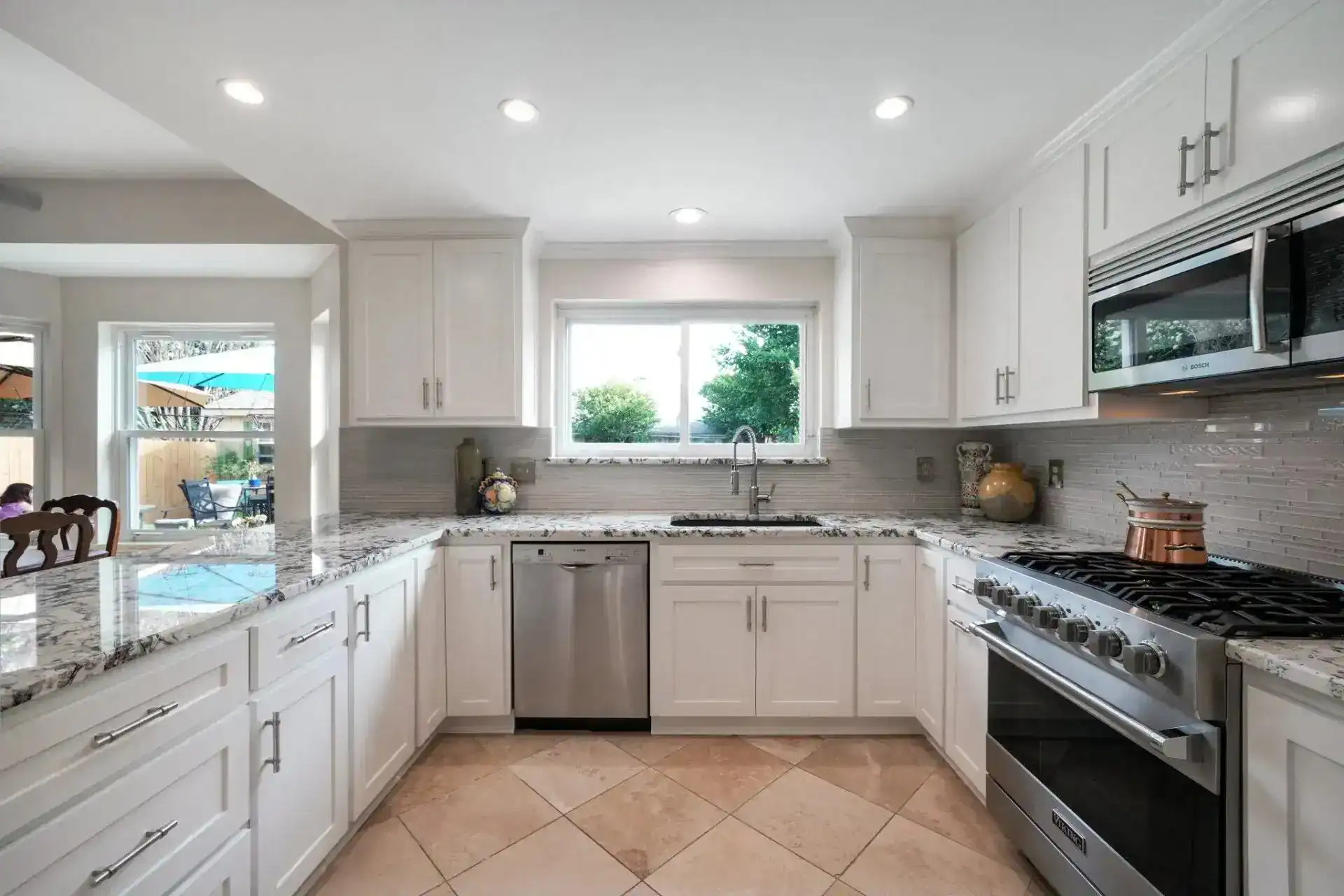
In Arlington, a permit is required for any construction, addition, alteration, or repair that affects structural, electrical, plumbing, or mechanical systems. So if your kitchen remodel involves moving a gas line, upgrading the electrical for new appliances, or opening a wall, you need a permit. Purely cosmetic updates — new cabinet faces, countertops, a fresh coat of paint — generally don’t. The City of Arlington’s Development Services department handles residential permits, and many straightforward projects can be submitted online.
What often catches Arlington homeowners off guard is that if your property sits in an unincorporated part of Tarrant County just outside city limits, the permit system is completely different — neither Arlington’s nor Fort Worth’s — which means the rules and the office you’d contact are different again. If you’re unsure which jurisdiction applies to your address, a quick call to Arlington Development Services can clarify that before you hire a contractor.
One more layer worth knowing about: if you live in a community like Mansfield or another Arlington-adjacent area with an HOA, your homeowners association likely has its own approval process on top of the city’s permit requirement. Those are two separate hurdles, and skipping the HOA step can result in fines or mandatory removal of completed work. We’ve seen it happen, and it’s an expensive lesson.
What Happens If You Remodel Without a Permit in Arlington?
The consequences aren’t hypothetical. Arlington issues stop work orders and fines for work performed without permits. If the city discovers unpermitted work after the fact, you may be required to open walls so inspectors can verify what was done, bring everything up to current code, and pay to have it all re-inspected. That’s expensive, disruptive, and entirely avoidable.
The bigger risk for most Arlington homeowners, though, shows up at resale. Unpermitted work is one of the most common deal complications in Texas home sales. When a buyer’s inspector flags unpermitted additions, structural changes, or electrical work, the buyer’s lender may refuse to finance the purchase until the issue is resolved. That resolution might mean retroactive permitting (which requires opening walls), a price reduction, or, in some cases, the deal falling apart entirely. In a market like the Dallas-Fort Worth area — where corporate relocations and job growth keep homes turning over regularly — this is a real and recurring problem.
There’s also a safety dimension that’s easy to overlook. Permit inspections exist because they catch substandard work before it’s hidden behind drywall. A licensed inspector reviewing your electrical rough-in or your plumbing connections is a genuine safeguard — not red tape. Without that inspection, there’s no independent verification that the work was done correctly. You’re trusting the contractor’s word alone.
A common fear we hear from Arlington homeowners is that getting a permit will invite inspectors to scrutinize the rest of the house. That’s not how it works. Inspectors are scoped to the permitted project. A bathroom remodel permit inspection covers the bathroom renovation — not your attic, your foundation, or anything else. The scope is defined by what was permitted, and that’s where it stays.
How to Verify Your Contractor Actually Pulled the Permits
Hiring a contractor who says they’ll pull permits is one thing. Verifying that they actually did is another. This is a step most homeowners skip — and it’s one of the most important things you can do to protect yourself before work gets underway.
Permits are public record in Texas. You can look up permit history by address through Arlington’s online portal. The City of Arlington maintains a searchable permit database where you can confirm whether a permit was issued, what it covers, and whether inspections were completed. If your contractor tells you the permit has been submitted, you should be able to find it.
How to Find Permits Pulled on a House in Arlington
Whether you’re buying a home in Arlington and want to know what work was done, or you’re a current homeowner checking up on a contractor, the process for looking up permit history is straightforward.
Start with the City of Arlington’s Development Services portal. Enter your property address, and you’ll typically see a history of permits issued — including the permit type, the date it was issued, the contractor of record, and whether final inspections were completed. That last part matters. A permit being issued doesn’t automatically mean the work passed inspection. You want to see that the permit was closed out with a final inspection sign-off.
If your property sits in an unincorporated part of Tarrant County outside Arlington’s jurisdiction, you’d need to contact Tarrant County directly, as those records aren’t part of the city system.
If you’re buying a home and the seller claims renovations were done, ask for copies of the permits and inspection reports as part of your due diligence. A reputable seller — and a reputable contractor who did the work — will have those documents readily available. If they can’t produce them, that’s worth investigating before you close.
For homeowners who want to verify their current contractor’s work, the simplest approach is to ask for the permit number directly. Once you have it, you can look it up in Arlington’s portal yourself and confirm it matches the project address, the scope of work, and the contractor’s name. The bottom line is that you don’t have to take anyone’s word for it. Permit records are public, searchable, and free to access. Use them.
Does a Licensed Contractor Automatically Pull Permits?
This is one of the most common misconceptions we run into, and it’s worth addressing directly. In Texas, licensing and permit-pulling are two separate obligations. A contractor can hold every required trade license and still skip the permit. The license proves they’re qualified to do the work. The permit is what authorizes them to do it on your specific property — and triggers the inspection process that verifies it was done correctly.
Texas doesn’t require general contractors to hold a statewide license. Trade contractors — electricians, plumbers, HVAC technicians — are licensed through the Texas Department of Licensing and Regulation or the Texas State Board of Plumbing Examiners, depending on the trade. But a general contractor overseeing a whole home remodel can legally operate without a state-issued general contractor’s license. That doesn’t mean they’re unqualified, but it does mean the homeowner carries more responsibility for vetting who they hire.
What this means practically is that you should ask two separate questions before signing anything. First: are the trade contractors on this project licensed for their specific work? Second: will you pull the required permits before work begins, and can I verify the permit number once it’s issued? Any contractor worth hiring will answer both questions without hesitation.
A contractor’s BuildZoom score is one useful reference point — it reflects verified license status, permit history, and how recently they’ve been active in your area. We carry a BuildZoom score of 95, which places us in the top 22% of all licensed contractors in Texas. That score is based on actual permit activity, not self-reported claims.
The distinction between licensing and permitting also matters when something goes wrong. If a contractor performs unpermitted work and then disappears, you have limited recourse. Texas doesn’t have a state recovery fund for general contractors, and there’s no financial background check performed on general contractors by the TDLR. The permit process, imperfect as it is, creates a paper trail — and that trail is often the only documentation you have if a dispute arises.
Choosing a Whole Home Remodeling Contractor Who Gets the Permit Process Right
The permit process isn’t complicated once you understand it — but it does require a contractor who takes it seriously from the start. In Arlington, that means knowing what the City of Arlington requires, understanding when HOA approval is a separate step, and actually following through with inspections until the permit is closed out.
A remodel done right protects your investment, keeps your home insurable, and doesn’t create problems when it’s time to sell. One done without proper permits can quietly undermine all of that, even years after the work looks finished and fine.
If you’re planning a kitchen remodel, bathroom renovation, patio addition, or anything more involved, we handle the permit process as part of the project — not as an afterthought. Reach out to discuss your project, and we’ll walk you through exactly what’s required before work begins.