Popcorn ceilings trap dust and make homes look dated. Discover removal costs, asbestos safety, and modern ceiling alternatives that boost your home's value.
Share:
Summary:
Popcorn ceiling—also called acoustic ceiling, textured ceiling, or cottage cheese ceiling—is that bumpy, spray-on finish that was everywhere from the 1950s through the 1990s. Builders loved it because it was fast to apply, hid imperfections in the drywall, and offered some sound absorption. Homeowners tolerated it because everyone had it.
But tastes change. What was standard then feels dated now, and popcorn ceilings come with real drawbacks that go beyond style. They trap dust and allergens in all those tiny crevices, making them nearly impossible to clean. They absorb light instead of reflecting it, which makes rooms feel darker and smaller. And if your home was built before 1980, there’s a legitimate concern about asbestos.
The bigger issue shows up when you’re ready to sell. Buyers in the Arlington area—especially those shopping in the median home price range—expect move-in-ready properties. When they see popcorn ceilings, they start calculating how much work they’ll need to do and how much it’ll cost. Even if they don’t plan to remove it immediately, that mental math affects their offers. You’re essentially asking them to buy your home and take on your renovation project.
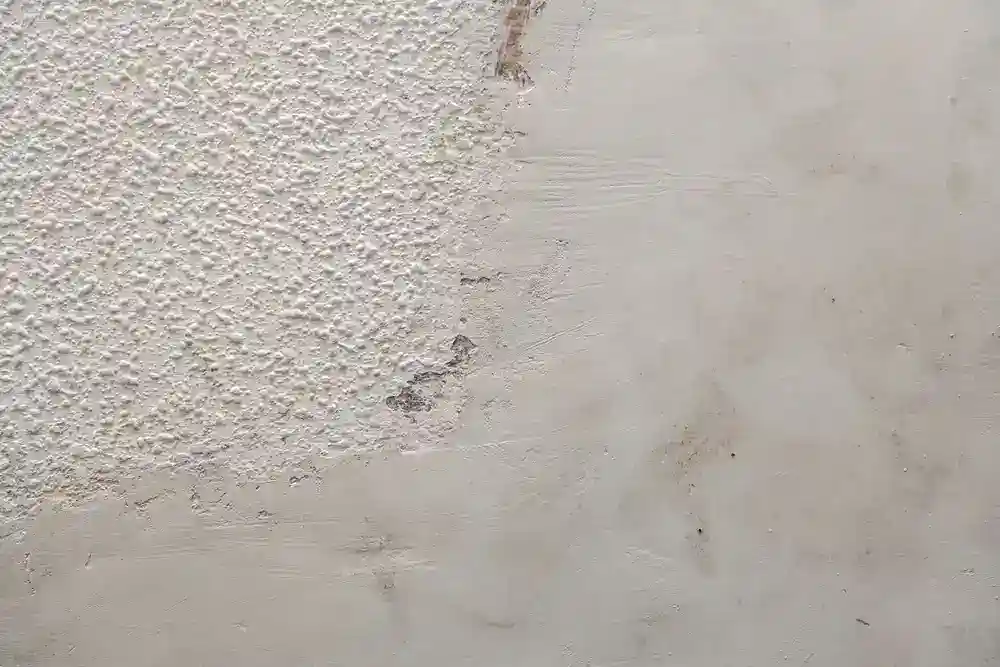
The case for removal goes beyond just looking more modern. When you take down that textured ceiling and replace it with a smooth finish, you’re solving multiple problems at once.
Light behaves differently on a smooth surface. Instead of getting absorbed and creating shadows in all those bumps, it reflects evenly across the room. You’ll notice your spaces feel brighter and more open without changing a single light fixture. That’s not a small thing—especially in rooms that don’t get a lot of natural light.
Then there’s the maintenance factor. Popcorn ceilings are dust magnets, and there’s no good way to clean them. You can’t wipe them down. Vacuuming barely helps. Over time, they just look dingy, and there’s not much you can do about it. A smooth ceiling? You can actually keep it clean. Dust doesn’t have anywhere to hide.
Indoor air quality improves too. Those bumps and crevices don’t just trap dust—they hold onto allergens, pet dander, and even mold spores in humid environments. If anyone in your household deals with allergies or respiratory issues, removing the texture can make a noticeable difference in how they feel at home.
From a resale perspective, the numbers back up the decision. Professional removal typically recovers 80% or more of its cost when you sell. But the real value isn’t just financial—it’s about positioning your home as the updated, well-maintained property that stands out from similar listings. Real estate agents consistently report that buyers prefer smooth ceilings, and homes without popcorn texture tend to sell faster.
You’re also eliminating a potential liability. If your home was built before 1980 and you haven’t had the ceiling tested for asbestos, that’s information buyers and their inspectors will want to know. Some insurance policies even require disclosure of known asbestos-containing materials. Getting it tested and removed—if necessary—takes that concern off the table entirely.
The bottom line: this is a one-time investment that eliminates ongoing frustration, improves your daily living experience, and makes your home more competitive whenever you decide to sell.
If your home was built or renovated before 1980, asbestos testing isn’t optional—it’s essential. Many popcorn ceilings installed during that era contain asbestos fibers, which were added for fire resistance. The material was banned in ceiling texture in 1978, but manufacturers were allowed to use up existing inventory, so homes built into the mid-1980s could still have asbestos-containing ceilings.
Here’s what makes asbestos dangerous: when the ceiling is intact and undisturbed, the fibers stay locked in place. But when you scrape, sand, or otherwise disturb that texture, you release those fibers into the air. Breathing them in can lead to serious health problems—mesothelioma, lung cancer, and asbestosis—sometimes decades after exposure. It’s not something to take lightly.
Testing is straightforward. A professional can take a small sample and send it to a certified lab for analysis. Results typically come back within a few days, and the cost is minimal—usually $50 to $100. That small investment protects your family and ensures any removal work follows proper safety protocols.
If the test comes back positive, removal requires specialized contractors with proper certifications and equipment. Asbestos abatement isn’t a DIY project, and in many states, it’s actually illegal for homeowners to attempt it themselves. Certified professionals know how to contain the work area, use HEPA filtration systems, and dispose of materials according to environmental regulations.
The cost for asbestos removal is higher—typically $5 to $20 per square foot—but it’s the only safe way to handle it. Trying to save money by doing it yourself isn’t worth the health risk, and it could create legal problems down the line if you sell the home without proper documentation.
Even if your ceiling doesn’t contain asbestos, knowing for sure gives you peace of mind and makes the removal process much simpler. It’s one of those things where spending a little upfront saves you from much bigger problems later.
Want live answers?
Connect with a A Plus Home Remodel expert for fast, friendly support.
Cost is usually the first question homeowners ask, and the answer depends on a few factors: the size of your ceiling, whether it’s been painted, and whether asbestos is present.
For straightforward removal—no asbestos, unpainted texture—you’re typically looking at $1 to $6 per square foot. A 500-square-foot ceiling might run $500 to $2,500, depending on complexity. Most homeowners in the Arlington area spend between $900 and $3,000 for a complete project that includes removal, refinishing, and painting.
If your ceiling has been painted, expect costs on the higher end of that range. Paint seals the texture and prevents water from softening it, which means removal takes more time and effort. Some contractors will recommend sanding or even covering the ceiling with new drywall instead of scraping, which changes the cost structure.
Asbestos removal is a different ballgame. You’re looking at $5 to $20 per square foot for certified abatement, plus additional labor costs. A room that would cost $800 to remove without asbestos might run $2,500 to $4,000 with it. That’s a significant difference, but it’s the cost of doing it safely and legally.
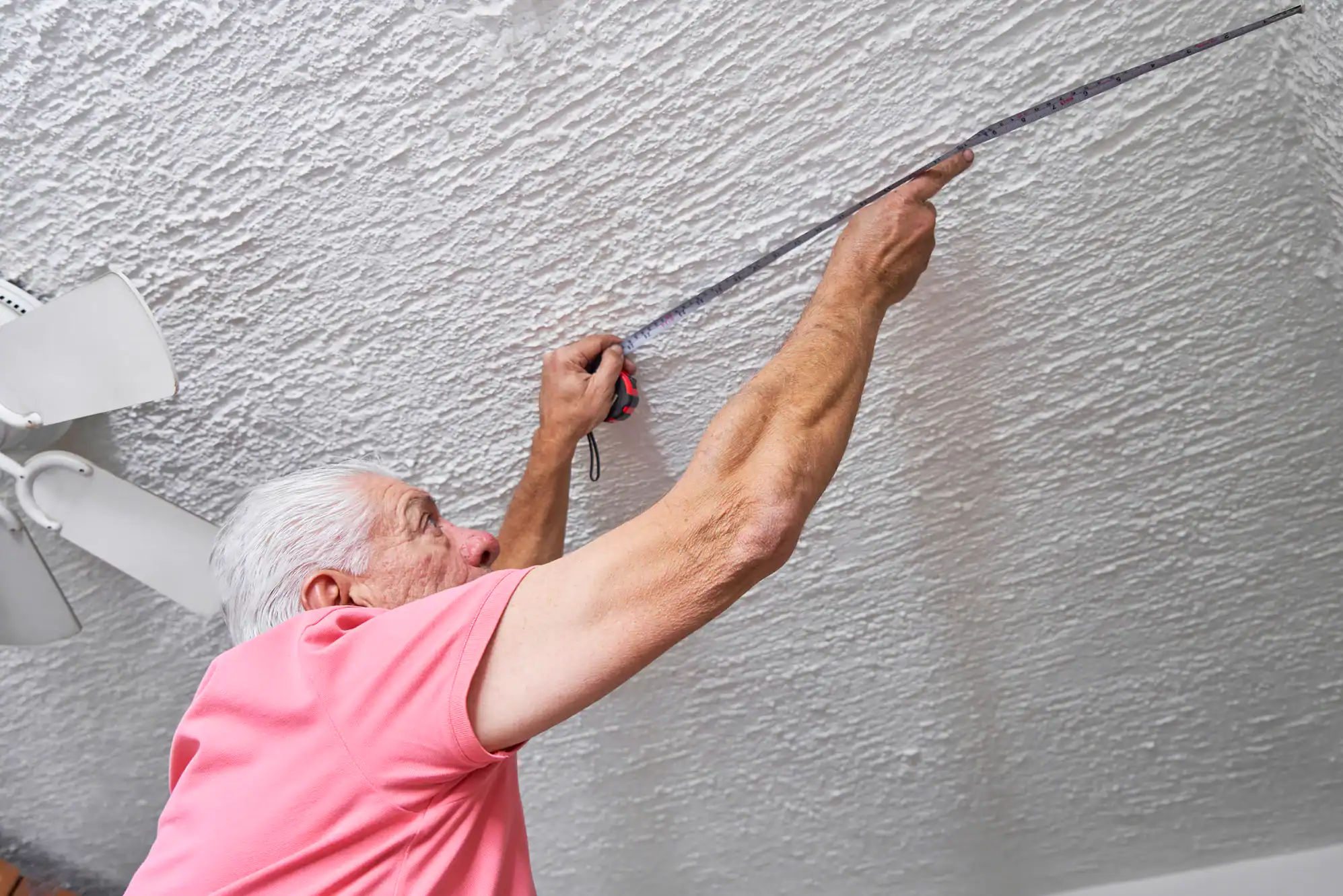
Several factors influence what you’ll pay, and understanding them helps you get accurate estimates and avoid surprises.
Ceiling height matters more than you might think. Standard 8-foot ceilings are straightforward. But if you have vaulted ceilings, two-story foyers, or anything above 10 feet, the labor becomes more complex. Contractors need scaffolding or specialized equipment, and the work takes longer. Expect to pay more for high or hard-to-reach ceilings.
The condition of your ceiling after removal also affects cost. Sometimes the drywall underneath is in great shape and just needs a light skim coat. Other times, you’ll find cracks, water damage, or uneven seams that need repair before you can finish. These repairs add to both time and materials. A good contractor will inspect and give you a realistic estimate upfront, but some issues don’t reveal themselves until the texture comes off.
Room size and layout play a role too. A simple rectangular bedroom is easier and faster than a kitchen with cabinets, soffits, and recessed lighting. More obstacles mean more careful work around edges and fixtures, which takes time.
Whether you’re refinishing and painting also changes the total. Some estimates include just the removal—scraping off the texture and basic cleanup. Others include skim coating, sanding, priming, and painting to give you a completely finished ceiling. Make sure you understand what’s included in any quote you get. A lower price might not include the finishing work you’ll need to actually complete the project.
Location matters too. Labor rates in the Dallas-Fort Worth metro area, including Arlington, Pantego, and Tarrant County, tend to be competitive, but they vary by contractor. Getting multiple estimates helps you understand the going rate and ensures you’re not overpaying.
One thing to keep in mind: the cheapest quote isn’t always the best value. If a contractor is significantly lower than others, ask why. Are they cutting corners on prep work? Do they have the right insurance and licensing? Will they handle disposal properly? Saving a few hundred dollars upfront isn’t worth it if you end up with a messy job or have to pay someone else to fix problems later.
The DIY route looks tempting on paper. You can rent or buy the tools, watch some videos, and save on labor costs. But the reality is messier and more time-consuming than most homeowners expect.
Removing popcorn ceiling yourself takes serious time. A small bedroom might take 2 to 4 days of hard work. Larger rooms or spaces with high ceilings can stretch to a week or more. That’s not just scraping—it’s prep work, protecting everything in the room, scraping section by section, cleaning up the mess, repairing any damage you cause, sanding, priming, and painting. Most people underestimate how much dust and debris this creates. It gets everywhere, no matter how much plastic sheeting you use.
Then there’s the physical aspect. You’re working overhead for hours at a time, which is harder on your neck, shoulders, and arms than you’d think. And if you’re not experienced with drywall work, it’s easy to gouge the ceiling, create uneven patches, or end up with a finish that looks worse than the texture you started with.
The biggest concern is safety. If your home was built before 1980 and you haven’t tested for asbestos, you could be exposing yourself and your family to dangerous fibers without even knowing it. Even if there’s no asbestos, the dust from sanding and scraping can irritate your lungs and eyes. You need proper protective equipment—respirators, goggles, gloves—and you need to use them correctly.
Professional removal solves all of these problems. Experienced contractors have the right tools, including specialized scrapers and HEPA filtration systems that minimize dust. They know how to protect your home, work efficiently, and deliver a smooth, even finish. Most importantly, they follow safety protocols and handle disposal properly, which matters whether or not asbestos is present.
The cost difference between DIY and professional work isn’t as big as you might think once you factor in tool rentals, materials, your time, and the risk of having to redo or repair mistakes. For most homeowners, especially those dealing with larger areas or older homes, hiring a professional is the smarter investment. You get a better result, it’s done faster, and you don’t have to deal with the mess or the physical strain.
Once the popcorn texture is gone, you have options for how to finish your ceiling. The most popular choice right now is a smooth, flat finish—clean, modern, and timeless. It reflects light well, works with any design style, and is what most buyers expect to see.
If you want a little texture for visual interest or to hide minor imperfections, light orange peel or knockdown finishes are good alternatives. They’re subtle enough to feel current but still provide some dimension. We can show you samples and help you choose what works best for your space.
The key takeaway: removing your popcorn ceiling is an investment that pays off in comfort, appearance, and resale value. It’s not the most glamorous renovation project, but it’s one of the most effective ways to modernize your home and eliminate ongoing frustration.
If you’re ready to move forward, start with testing if your home was built before 1980. From there, get estimates from licensed contractors who understand the process and can walk you through your options. When you’re ready to discuss your project, we at A Plus Home Remodel have the experience and expertise to handle everything from testing to final finishing, giving you the smooth, modern ceiling your home deserves.
Article details:
Share:
Continue learning: