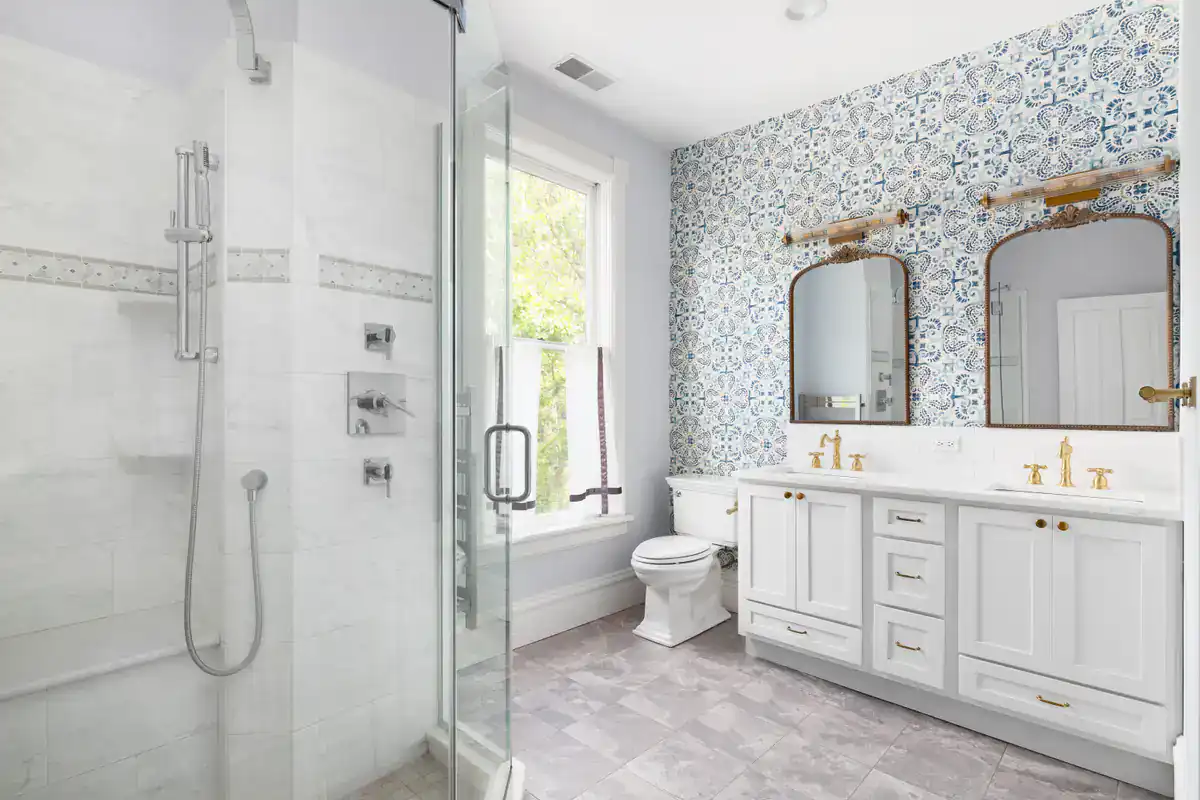
Discover how to turn your tired bathroom into the sanctuary you deserve with proven renovation strategies and modern design insights.
Share:
Summary:
Your bathroom gives you plenty of signals when it’s ready for a makeover. The question isn’t whether you need a renovation—it’s whether you’re ready to listen to what your space is trying to tell you.
The most obvious sign is that sinking feeling you get every time you step inside. When your bathroom makes you feel anything other than comfortable and refreshed, it’s time for a change. But there are practical indicators too that shouldn’t be ignored.
Some bathroom problems go beyond aesthetics and become genuine safety concerns that need immediate attention. Loose floor tiles create tripping hazards, especially dangerous in a room where water and slippery surfaces are already present. Flaking grout isn’t just unsightly—it allows moisture to seep behind tiles, creating the perfect environment for mold and mildew growth.
Poor ventilation might seem like a minor inconvenience when your mirror fogs up after every shower. But inadequate airflow leads to moisture accumulation that can cause serious damage behind your walls. You might not see it happening, but dampness trapped in wall cavities creates ideal conditions for mold growth and wood rot.
Outdated electrical systems in bathrooms pose particular risks. If your bathroom still has outlets without GFCI protection or insufficient lighting that makes daily tasks difficult, these aren’t just inconveniences—they’re safety hazards that need professional attention.
The plumbing tells its own story too. Leaky faucets, running toilets, and water stains around fixtures often indicate larger problems lurking behind the walls. What starts as a minor drip can lead to water damage that costs thousands more to repair than if you’d addressed it during a planned renovation.
Putting off bathroom renovations often costs more than moving forward with them. Those small problems you’re ignoring rarely stay small. That minor leak behind the toilet can turn into rotted subflooring. Poor ventilation doesn’t just create an uncomfortable environment—it leads to mold remediation costs that dwarf the price of installing proper ventilation from the start.
Energy efficiency is another factor many homeowners overlook until they see their utility bills. Older bathrooms typically have poor insulation, inefficient fixtures, and lighting that wastes electricity. Modern low-flow toilets, water-efficient showerheads, and LED lighting can significantly reduce your monthly expenses while improving your daily experience.
The resale value consideration matters too, even if you’re not planning to sell anytime soon. Bathroom renovations typically return 60-70% of their cost when you do sell, but outdated bathrooms can actually detract from your home’s value. Buyers often see a bathroom that needs work as a major negative, sometimes offering less than the renovation would have cost.
There’s also the daily quality of life impact that’s harder to quantify but equally important. How much is it worth to start and end each day in a space that feels clean, functional, and peaceful instead of frustrating and outdated? The psychological benefit of a bathroom you actually enjoy using affects your daily routine in ways that extend far beyond the bathroom itself.
Want live answers?
Connect with a A Plus Home Remodel expert for fast, friendly support.
Successful bathroom renovations start long before the first tile is removed. The planning phase determines whether your project runs smoothly or turns into a months-long nightmare of cost overruns and design regrets.
Start by honestly assessing how you actually use your bathroom space. Do you need double sinks for busy mornings? Would you prefer a walk-in shower over a bathtub? Is storage your biggest challenge? Understanding your real needs prevents you from getting caught up in trends that don’t match your lifestyle.
Bathroom renovation costs in the Tarrant County area typically range from $15,000 to $40,000, depending on the scope of work and materials selected. A basic refresh with new fixtures, flooring, and paint might cost $15,000-$25,000, while a complete redesign with premium materials and layout changes can reach $35,000-$50,000 or more.
The key to budget success is building in a 20% contingency fund for unexpected issues. Once contractors open up walls, they often discover problems that weren’t visible during initial planning. Old plumbing that needs updating, electrical systems that don’t meet current codes, or water damage that requires repair are common discoveries that can add thousands to your project cost.
Timeline planning requires the same realistic approach. A simple cosmetic update might take 2-3 weeks, while a full renovation typically requires 4-8 weeks. Factors that affect timeline include material availability, permit approval processes, and the complexity of any layout changes. Custom elements like special-order tiles or fixtures can add weeks to your schedule.
The permit process in Arlington, Pantego, and Tarrant County requires planning too. Any work involving plumbing, electrical, or structural changes needs permits, and the approval process can take 1-2 weeks. Working with experienced contractors who handle permits as part of their service eliminates this complexity from your schedule.
The latest bathroom design trends for 2025 focus on creating spa-like retreats that blend functionality with wellness features. But not every trend works well in Texas climate conditions or matches the practical needs of busy families.
Floating vanities are gaining popularity because they create an illusion of more space while making floor cleaning easier. This trend works particularly well in smaller bathrooms common in older Tarrant County homes. Paired with under-cabinet lighting, floating vanities add both style and practical illumination for daily routines.
Natural materials like wood and stone bring warmth and texture that balance the hard surfaces typical in bathrooms. However, in Texas humidity, proper sealing and ventilation become even more critical when using natural materials. Porcelain tiles that mimic natural materials offer the same aesthetic with better moisture resistance.
The biophilic design trend—bringing natural elements indoors—works well in Texas bathrooms through large windows that capitalize on abundant natural light, plants that thrive in humid environments, and color palettes inspired by local landscapes. Sage greens, warm taupes, and calming blues create the peaceful atmosphere homeowners want while complementing Texas architectural styles.
Smart technology integration is becoming standard rather than luxury. Heated floors provide comfort during occasional cold snaps, smart mirrors can display weather and traffic information for busy mornings, and programmable shower systems let you start your day with the perfect water temperature. These features add convenience without overwhelming the space with unnecessary gadgets.
Your bathroom renovation journey doesn’t have to be overwhelming when you approach it with clear planning and realistic expectations. Focus on addressing both your immediate needs and long-term goals, whether that’s improving daily functionality, creating a more relaxing environment, or preparing for future accessibility needs.
Remember that the best renovations balance current trends with timeless design principles that will serve you well for decades. Choose quality materials and experienced professionals who understand local building requirements and climate considerations specific to the Tarrant County area.
When you’re ready to move from planning to action, we bring over three decades of experience helping local homeowners transform their bathrooms into spaces they truly love. The difference between a bathroom that frustrates you and one that energizes you every day is closer than you think.
Article details:
Share:
Continue learning: