Deciding between DIY and hiring a professional contractor for your home remodeling project? Learn the key factors that determine the best approach for your Arlington home.
Share:
Summary:
The sticker shock of professional estimates often pushes homeowners toward DIY. But here’s what most people miss in their calculations.
Labor is one of the most expensive aspects of home repairs, far exceeding the cost of materials for small jobs. Expect contractors to cost about 10% to 15% more than the expense of materials for most projects. That seems like a clear win for DIY, right?
Not so fast. DIY house flipping can help you bypass steep contractor fees, potentially saving 20-40% of your renovation budget, but that’s only if everything goes perfectly. The reality is messier.
While you may save on labor, unexpected expenses can arise from mistakes or the need to purchase specialized tools. Budget management becomes a personal responsibility, and it’s important to factor in the potential for unplanned costs when deciding whether to go the DIY route.
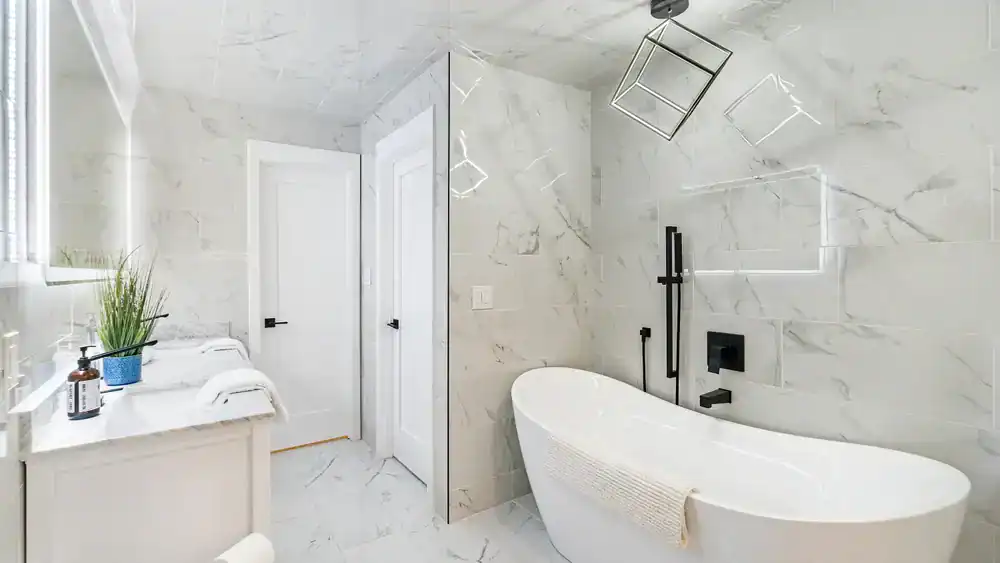
Think about it this way: that $200 tile saw you need to buy for one bathroom project. The $150 worth of tiles you’ll inevitably break learning the technique. The weekend you’ll spend redoing work that doesn’t look right. Suddenly, your “savings” start evaporating.
Mistakes in DIY projects might harm your home and require the services of a contractor to repair. This can end up costing much more than if you simply hire a professional contractor from the outset. We’ve seen Arlington homeowners spend twice their original budget fixing DIY disasters.
Professional contractors bring more than just skill to your project. Contractors frequently benefit from discounted supplies and materials. Additionally, they often offer their equipment. In the end, hiring an expert may be more cost-effective.
Here’s the math that matters: if your DIY project takes three times longer than expected and you make mistakes that require professional fixes, you’re not saving money. You’re losing it, along with your sanity and potentially your relationship with your spouse. Couples often feel the strain as well. A January 2016 survey from Houzz found that 41 percent of people who remodeled with their partner found the experience frustrating; 7 percent felt they needed couples counseling during the process.
According to Remodeling Magazine’s annual Cost Vs. Value Report, a minor kitchen remodel, garage door replacement, and HVAC replacements offer a great opportunity to recoup nearly all of your investment. Replacing roofs and windows are also good ways to improve the value of your home.
But here’s the catch: those ROI numbers assume professional installation. A botched DIY job can actually hurt your home’s value when it comes time to sell.
We understand local building codes, permit requirements, and inspection processes. Many localities require permits for electrical, structural and other major work. These jobs generally require specialized knowledge, so it’s better to let a professional handle the work.
The time factor is huge too. The labor costs of professional contractors generally run between $30 to $125 per hour, so their work can add up to hundreds or thousands of dollars. In effect, you’re trading your time for that extra money. But what’s your time worth? If you’re spending every weekend for six months on a kitchen remodel, that’s 48+ weekends you’re not spending with family or pursuing other interests.
When you’re on a strict schedule, every minute counts. Professional contractors can complete in weeks what might take you months, getting your life back to normal faster.
Consider the Arlington housing market context too. The housing market in Arlington, Texas, is a bit competitive in 2024, with home prices slowly going up from last year. Professional renovations that increase your home’s value make more sense in an appreciating market.
Want live answers?
Connect with a A Plus Home Remodel expert for fast, friendly support.
Not all home remodeling projects are created equal. Some practically beg for professional expertise, while others are perfect for motivated DIYers.
DIY is perfect for minor projects, such as painting, installing shelves or replacing light fixtures. Bigger remodels, such as removing walls or replacing electrical and plumbing systems, require professional experience. This will ensure your project is safe and up to current building codes.
The line isn’t always obvious, though. That’s where understanding project complexity becomes critical for Arlington homeowners.
Projects involving significant changes—such as plumbing, electrical, or structural repairs—demand specialized skills and an in-depth understanding of building codes. These tasks often come with hidden challenges that can lead to costly mistakes if not handled correctly. A contractor brings the technical expertise needed to complete these intricate projects correctly the first time, ensuring both safety and compliance with local regulations.
Let’s be specific about what falls into this category in Tarrant County. Any electrical work beyond replacing a light fixture requires permits and professional expertise. One wrong wire connection can create a fire hazard that insurance won’t cover if you did the work yourself.
Plumbing projects that involve moving pipes or adding new fixtures are another professional-only territory. DIY projects carry inherent risks, especially when dealing with structural changes or systems like electrical and plumbing. Mistakes can lead to costly repairs or, worse, pose serious safety hazards. We’re trained to mitigate these risks, adhering to building codes and regulations that ensure the safety of your home.
Structural changes like removing walls require engineering knowledge. What looks like a simple wall might be load-bearing, and removing it without proper support can literally bring your house down. We know how to identify these situations and handle them safely.
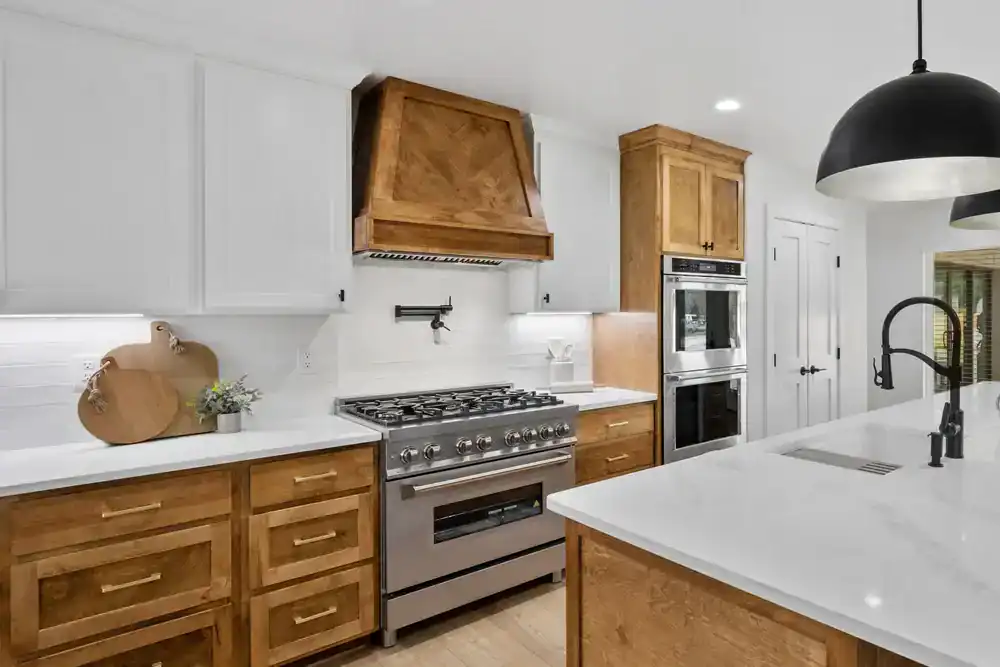
Kitchen remodels that involve moving appliances or adding islands typically require both electrical and plumbing work, making them natural fits for professional contractors. While outdoor renovations are on the rise, kitchens remain a key focus for remodeling projects, as the demand for open-concept layouts, spacious islands, and high-end appliances continues to grow.
A fresh coat of paint can dramatically transform any room, making it one of the most accessible DIY projects. With just a few basic tools—brushes, rollers, and painter’s tape—you can update your walls, trim, or even create an accent wall that breathes new life into your home. Investing time in proper surface preparation and selecting high-quality paint can help you achieve a professional finish without the steep cost of hiring a contractor.
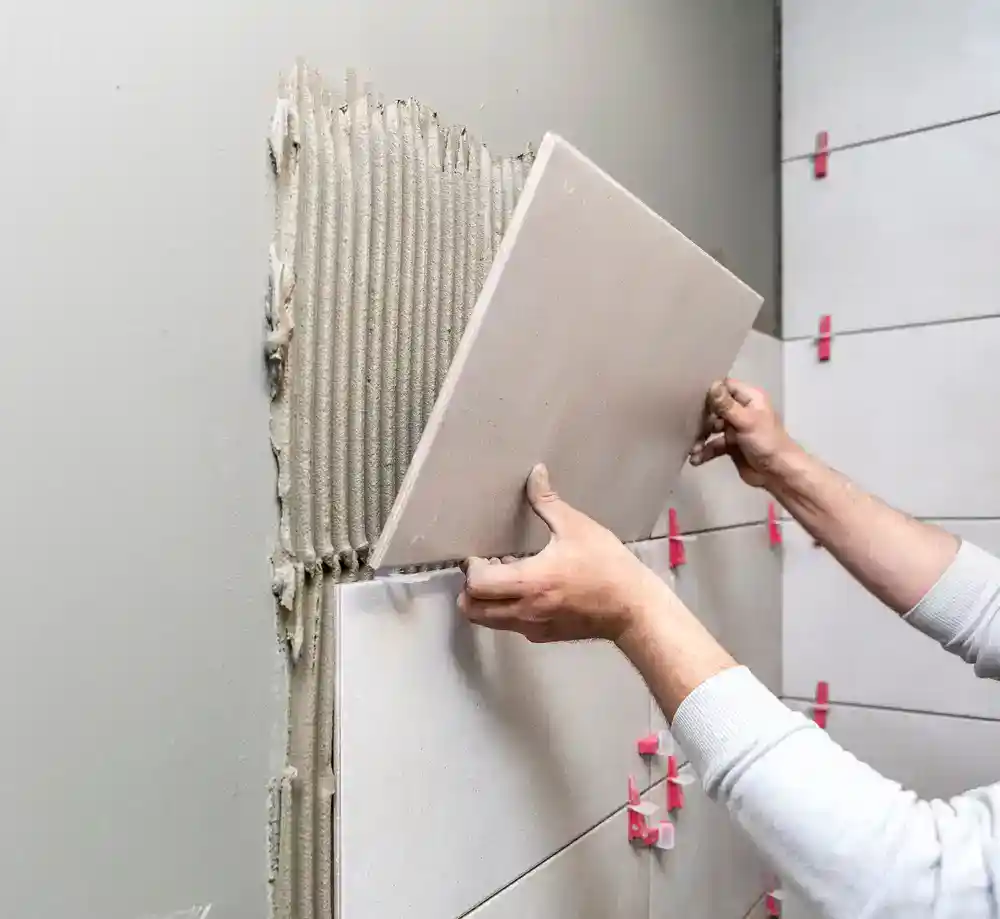
Installing new tiles is another project that many homeowners can tackle. Whether you’re adding a stylish backsplash in the kitchen or replacing an outdated bathroom floor, many tiling kits are designed with DIYers in mind. Clear instructions, pre-cut pieces, and quality adhesives simplify the process, so with a bit of patience and attention to detail, you can create a durable and aesthetically pleasing surface.
Other DIY-friendly projects include installing new cabinet hardware, updating light fixtures (not rewiring), laying luxury vinyl plank flooring, and basic landscaping work. These projects have clear instructions, forgiving installation processes, and limited risk if something goes wrong.
Take a hybrid approach by going DIY and hiring a professional. Do the easy projects on your own, but bring in a pro for the more complicated or specialized tasks to score the best of both worlds. This approach maximizes your savings while ensuring critical work gets done right.
The key is honest self-assessment. Your DIY skill level and comfort are the limits of what you can tackle. If you’ve never tiled before, maybe start with a small backsplash rather than an entire bathroom floor. Success builds confidence and skills for future projects.
The DIY versus professional contractor decision isn’t really about choosing sides. It’s about matching the right approach to your specific situation, skills, and goals.
The demand for residential remodeling in Texas has grown significantly in recent years, and construction of a new home typically takes between 9-12 months, thereby driving the residential remodeling market. This means you’re not alone in facing these decisions, and there are experienced professionals ready to help.
Start with an honest assessment: What’s your skill level? How much time can you realistically dedicate? What’s your true budget including potential mistakes? While DIY projects may seem more budget-friendly at first, they can end up costing more in the long run if mistakes need to be corrected or if the quality of the workmanship is compromised.
For Arlington homeowners ready to work with professionals, we at A Plus Home Remodel offer the experience and expertise to handle projects of any size, ensuring your renovation dreams become reality without the stress and potential pitfalls of going it alone.
Article details:
Share:
Continue learning: