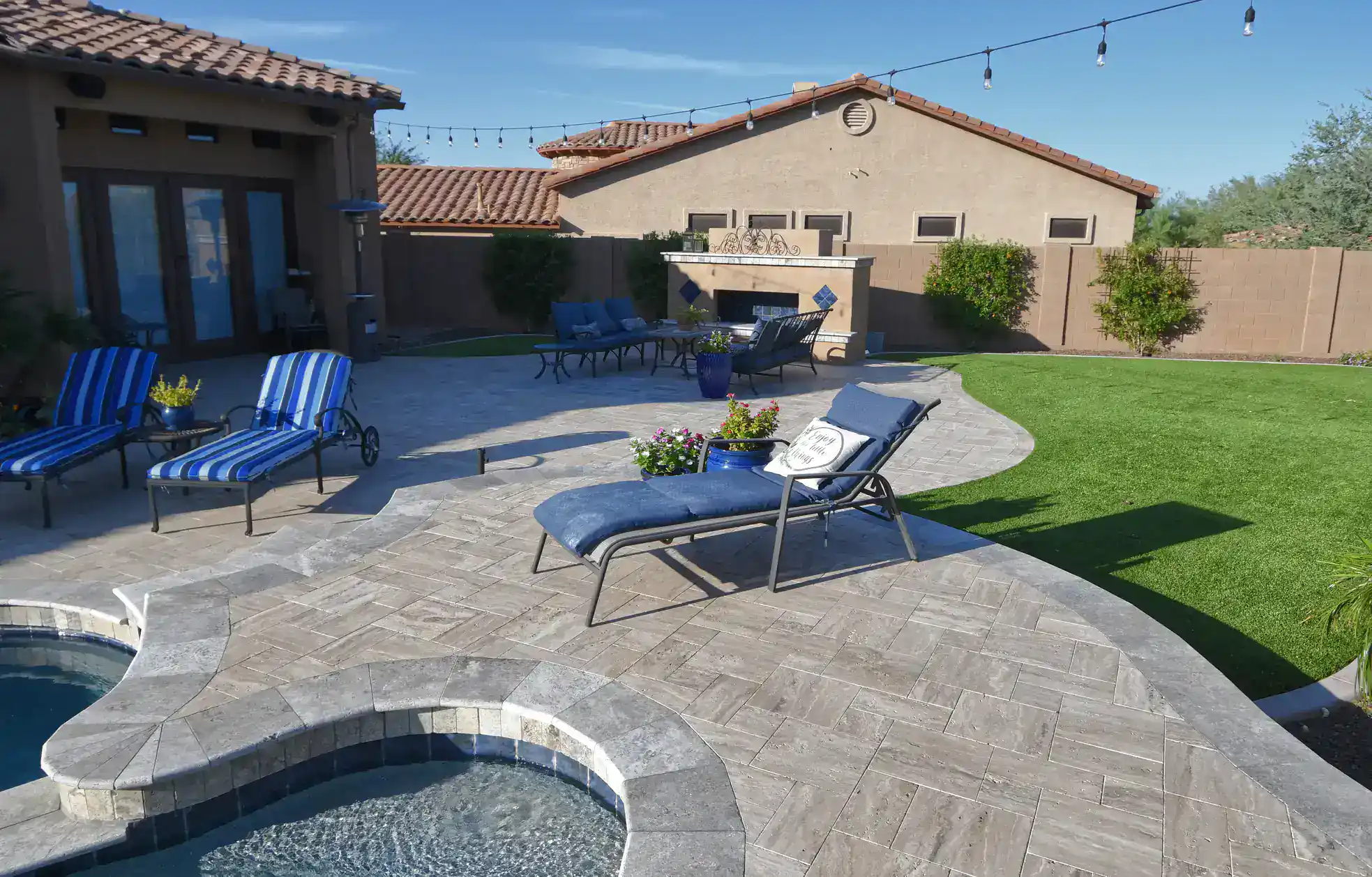
Texas weather destroys weak materials within seasons. Find out which deck and fence options actually last in Tarrant County's brutal heat, humidity, and storms.
Share:
Summary:
Most homeowners underestimate how much stress Texas weather puts on outdoor structures. It’s not just hot. It’s relentlessly hot, with sun that bakes surfaces for months straight.
Add humidity to that heat, and you’ve got the perfect environment for mold, mildew, and rot. Then factor in sudden temperature swings—freezing nights after warm days—and materials that aren’t built for this expand, contract, and eventually fail. Fort Worth and Arlington see all of it: scorching summers above 100°F, heavy rain that dumps inches in hours, wind that tests every fastener, and occasional winter freezes that crack weak boards.
If your deck or fence can’t handle that combination, you’re not just looking at cosmetic issues. You’re looking at structural problems, safety risks, and expensive replacements sooner than you planned. That’s why choosing the best fence materials for Texas climate matters more than aesthetics alone.
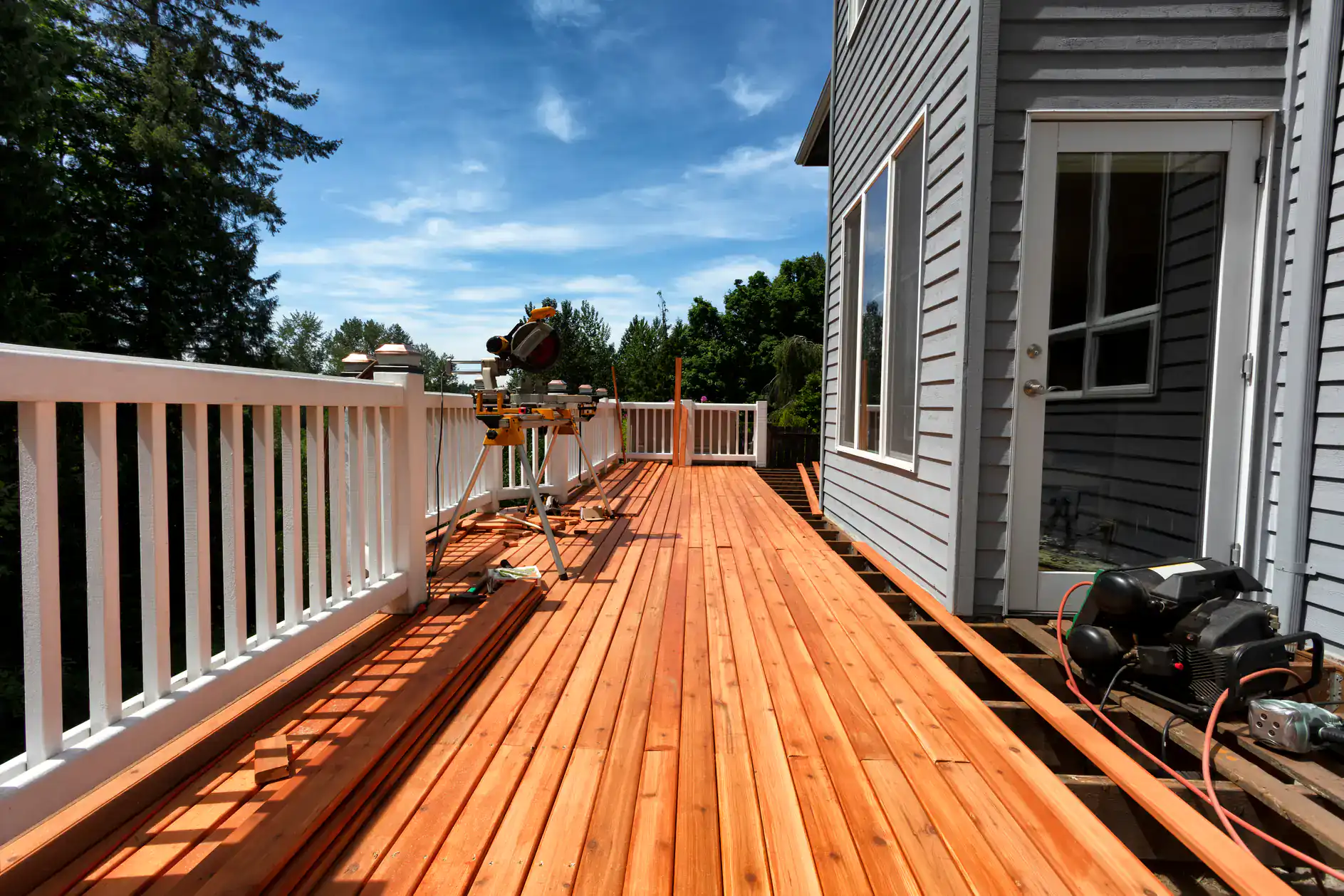
Wood is beautiful. It’s also vulnerable in ways that surprise people who haven’t lived through a Texas summer with an outdoor structure.
When temperatures climb above 100°F day after day, untreated or poorly chosen wood dries out fast. The boards lose moisture, shrink, and develop cracks. UV rays don’t just fade the color—they break down the surface fibers, leaving wood rough and splintered.
Then the humidity hits. Texas isn’t a dry heat. Especially in Tarrant County, TX, you get moisture in the air that wood absorbs like a sponge. When that moisture sits in the wood, it creates conditions for mold and mildew to take hold. If the wood doesn’t dry out properly between rain events, rot starts from the inside.
The cycle of wet and dry, hot and cold, causes wood to expand and contract. Do that enough times, and even well-installed boards start to warp, twist, or pull away from fasteners. Pressure-treated pine, the budget-friendly option most people consider first, struggles with this. It needs regular sealing and staining—every one to two years—to have any chance of lasting.
Cedar and redwood perform better because they have natural oils that resist moisture and insects. Western Red Cedar, in particular, handles heat without conducting it the way denser woods do. It stays cooler to the touch, resists rot naturally, and doesn’t need chemical treatments to keep termites away. The cedar fence benefits in Texas include natural insect resistance, temperature control, and durability that outlasts cheaper woods. But even cedar requires maintenance. You’ll want to seal it every two to three years if you want to preserve the color and maximize its lifespan, which can reach 15 to 20 years with proper care.
Composite materials flip the script. Made from recycled wood fibers and plastic, composite decking doesn’t absorb moisture the way natural wood does. It resists warping, won’t splinter, and handles UV exposure without fading as quickly. The tradeoff? Composite gets hot—sometimes significantly hotter than wood—especially in darker colors. But it won’t rot, doesn’t need staining, and typically outlasts wood with far less effort.
Choosing the wrong material isn’t just inconvenient. It’s expensive and sometimes dangerous.
Softwoods like untreated pine or spruce look fine at installation. Give them one Texas summer, and you’ll see warping. Two summers, and you’re dealing with cracks. Three, and sections start to rot. If you skipped proper sealing or used low-grade wood, you might not make it to year three before needing repairs.
Vinyl fencing sounds like a great low-maintenance option, and in many climates, it is. But cheaper vinyl can become brittle in extreme heat, and if it’s not UV-stabilized, it fades to a dull, chalky finish. Quality vinyl holds up well—it doesn’t absorb moisture, resists mold, and won’t attract termites—but you need to invest in the right grade.
Metal fencing, particularly wrought iron, offers durability and a classic look. The problem in Texas? Heat conduction. Metal railings and fence panels get dangerously hot in direct summer sun. If you have kids or pets, that’s a real concern. Powder-coated aluminum performs better, staying cooler and resisting rust, but it comes at a higher price point.
Then there’s the issue of installation. Even the best fence materials for Texas fail if they’re not installed correctly for local conditions. Poor drainage leads to standing water around fence posts, accelerating rot. Inadequate ventilation under a deck traps moisture, creating a breeding ground for mold. Fasteners that aren’t corrosion-resistant rust out within a few years, leaving boards loose and unstable.
The wrong material choice compounds over time. What starts as minor fading or a small crack becomes a safety hazard. Deck boards that warp create tripping risks. Fence posts that rot at the base lean or collapse in strong wind. And every repair you make to a failing structure is money you could have spent once on the right material from the start.
People in Pantego, TX and Arlington, TX see this play out constantly. A neighbor installs a beautiful cedar fence but skips the sealer to save a few hundred dollars. Two years later, it’s gray, splintered, and starting to rot at the posts. Another homeowner chooses the cheapest composite decking available, only to find it warps in the heat and voids the warranty because it wasn’t installed per manufacturer specs.
The lesson isn’t that certain materials are bad. It’s that Texas weather doesn’t forgive shortcuts. If you’re going to invest in a deck or fence, the material choice matters as much as the design. And if you’re working with a contractor, their understanding of local climate challenges matters even more.
Want live answers?
Connect with a A Plus Home Remodel expert for fast, friendly support.
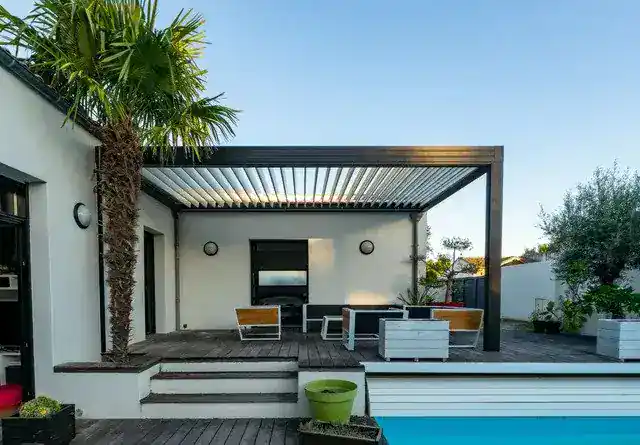
Not all decking performs the same in North Texas. Some materials handle the heat but fail in humidity. Others resist moisture but get too hot to walk on barefoot.
The best choice for deck installation in Tarrant County, TX depends on your priorities: maintenance level, budget, aesthetics, and how you use the space. But a few materials consistently outperform the rest in local conditions. Let’s break down what actually works and why.
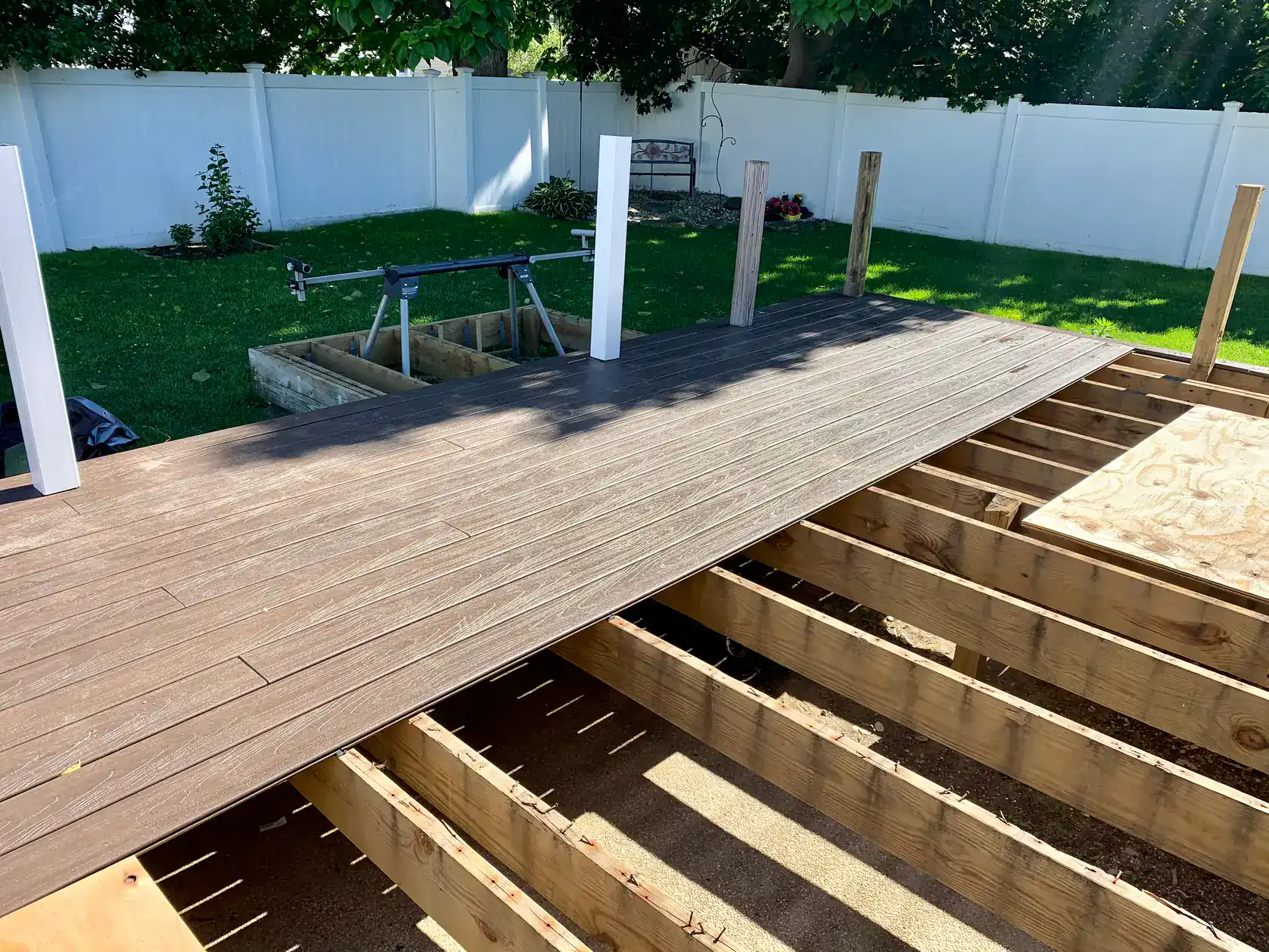
Composite decking has become the go-to choice for homeowners who want durability without constant upkeep. It’s not perfect, but for Texas weather, it checks a lot of boxes.
The material is engineered from wood fibers and recycled plastic, which means it doesn’t absorb water the way natural wood does. That’s huge in a climate where humidity and sudden rainstorms are common. Composite won’t swell, warp, or develop the kind of rot you see in traditional wood decking.
UV resistance is built into most quality composite products. While wood fades to gray within a season or two without treatment, composite maintains its color far longer. Some manufacturers offer 25-year warranties against fading and staining, which tells you something about their confidence in the material’s performance.
Heat is the one area where composite gets criticism, and it’s valid. Composite decking does get hot in direct sun—sometimes significantly hotter than wood. The darker the color, the hotter it gets. If you’re planning outdoor deck ideas for a space in full sun and you like to walk barefoot, choose lighter shades. Grays and tans stay cooler than deep browns or blacks.
Maintenance is where composite really shines. You’re not staining, sealing, or sanding. An occasional wash with soap and water keeps it looking good. No splinters, no annual sealing projects, no worrying about termites. For busy homeowners in Pantego, TX or Arlington, TX who’d rather spend weekends enjoying the deck instead of maintaining it, that’s a major advantage.
Installation matters with composite. It needs proper spacing for thermal expansion, and fasteners have to be corrosion-resistant. We understand the material and account for Texas heat, installing it correctly. Done right, composite decking in Tarrant County, TX can last 25 to 30 years with minimal effort.
The cost sits higher than pressure-treated wood upfront—usually $30 to $45 per square foot installed versus $15 to $25 for wood. But factor in the maintenance savings, the longevity, and the lack of ongoing staining costs, and composite often comes out ahead over the deck’s lifetime.
Cedar remains popular in Texas for good reason. It’s one of the few natural woods that actually performs well in extreme heat and humidity without requiring constant chemical treatments.
Western Red Cedar has natural oils that repel moisture and insects. Termites and carpenter ants, which can destroy other wood species in Texas, typically avoid cedar. That’s not a guarantee—nothing is—but it’s a significant natural advantage you don’t get with pine or fir. These cedar fence benefits make it a smart choice for patio fence design projects where you want both beauty and longevity.
Heat management is another cedar strength. Unlike denser hardwoods that absorb and hold heat, cedar has an open cell structure that allows it to dissipate heat quickly. It stays noticeably cooler underfoot than composite or tropical hardwoods, which matters when you’re walking out to the deck barefoot on a 100-degree afternoon.
The look of cedar appeals to people who want a natural wood aesthetic. Fresh cedar has a warm, reddish-brown color with visible grain patterns. Over time, if you don’t seal it, cedar weathers to a soft silver-gray. Some homeowners love that aged look. Others prefer to maintain the original color with a UV-resistant sealer applied every two to three years. For outdoor deck ideas that blend natural beauty with practical performance, cedar offers versatility in both decking and fencing applications.
Maintenance is the tradeoff. Cedar isn’t maintenance-free. You’ll need to clean it regularly, inspect for damage, and apply sealer or stain every couple of years. Skip that, and you’ll see faster weathering, potential mold growth in humid conditions, and a shorter overall lifespan.
Properly maintained, cedar decking and fencing in Texas can last 15 to 20 years. That’s respectable, especially considering the climate stress. And if you do need to replace a board or two, cedar is easy to work with and match. For patio fence design in Pantego, TX or Arlington, TX, cedar provides privacy, wind protection, and aesthetic appeal that complements most home styles.
Cost-wise, cedar sits in the middle—more expensive than pressure-treated pine, less than premium composite or exotic hardwoods. You’re looking at roughly $20 to $35 per square foot installed, depending on grade and design complexity.
The key with cedar is committing to the maintenance or accepting the weathered look. If you’re someone who enjoys the ritual of caring for wood and appreciates the natural material, cedar delivers. If you want to install it and forget about it, composite makes more sense. But for homeowners in Tarrant County, TX who value natural beauty and are willing to put in some effort, cedar is hard to beat.
Choosing materials for deck and fence installation in Texas isn’t about picking what looks good in a catalog. It’s about understanding what survives here—and what fails.
Cedar offers natural beauty and heat resistance with some maintenance. Composite delivers durability and low upkeep with higher upfront cost. Vinyl fencing works if you choose quality grades. Each material has a place, depending on your priorities, budget, and how much time you want to spend on maintenance.
The bigger point is this: Texas weather doesn’t forgive cheap materials or poor installation. If you’re investing in outdoor structures for your Pantego, TX or Arlington, TX home, work with professionals who understand local climate challenges and build accordingly. That’s where decades of experience and proper project management make the difference between a deck that lasts five years and one that’s still solid twenty years later. We bring that expertise to every project, ensuring your outdoor investment stands up to whatever North Texas throws at it.
Article details:
Share:
Continue learning: