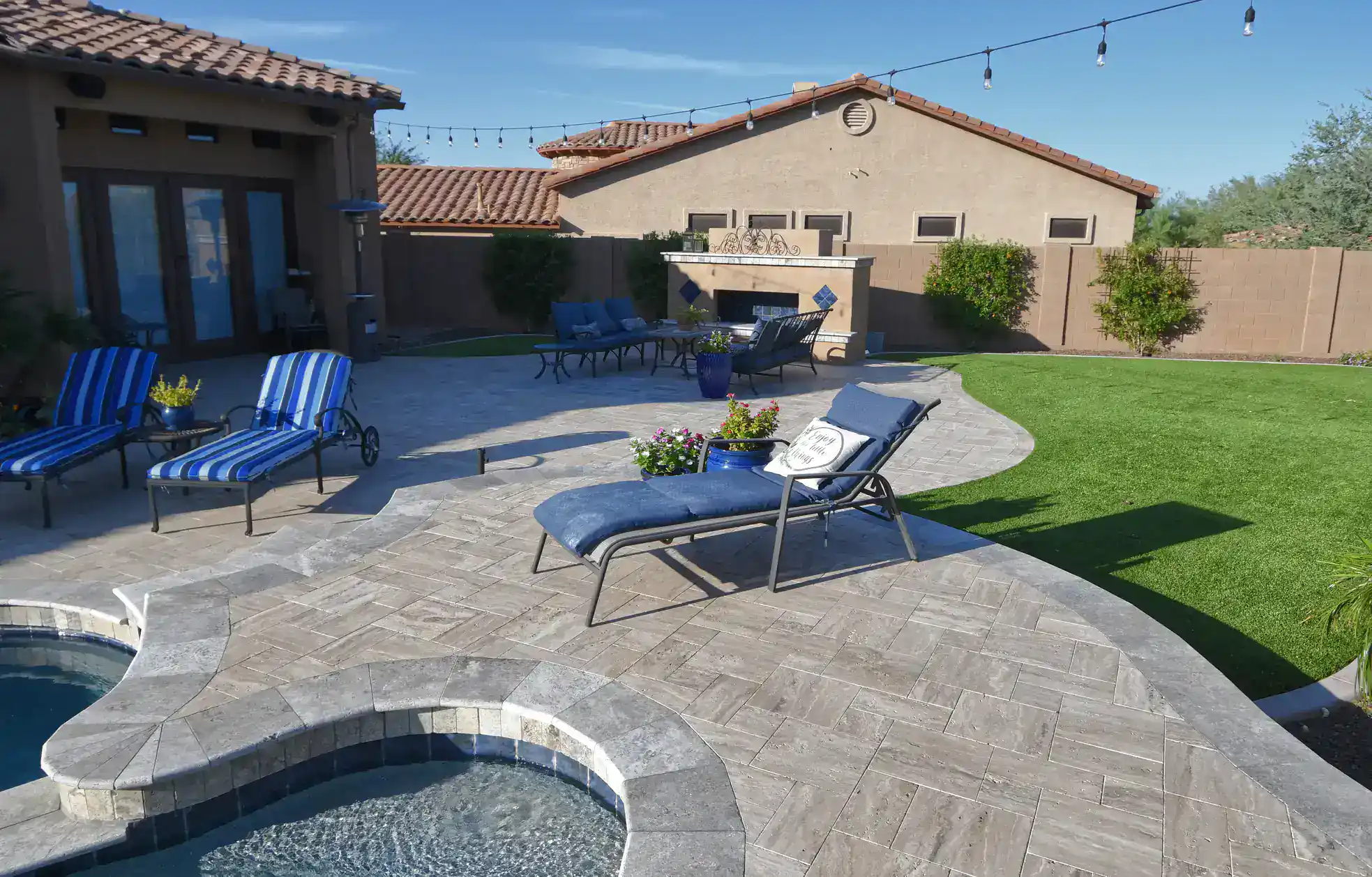
Not all concrete work is created equal. Learn what separates a driveway that lasts decades from one that cracks in three years.
Share:
Summary:
Concrete services cover everything from pouring a new driveway to fixing a cracked slab to resurfacing a worn-out patio. It’s a broad term, but it basically means any work that involves concrete installation, repair, or enhancement.
We handle new installations—driveways, sidewalks, patios, foundation slabs for sheds or garages. We also tackle repairs like filling cracks, leveling sunken sections, or resurfacing damaged surfaces. Some of our work includes decorative options: stamped concrete that mimics stone or brick, stained finishes, exposed aggregate that adds texture and durability.
The scope depends entirely on what you need. Replacing a driveway is different from patching a few hairline cracks. A decorative patio involves more steps than pouring a basic slab. Understanding what falls under “concrete services” helps you figure out which contractor can actually handle your project—and whether they’re equipped for the specific work you need done.
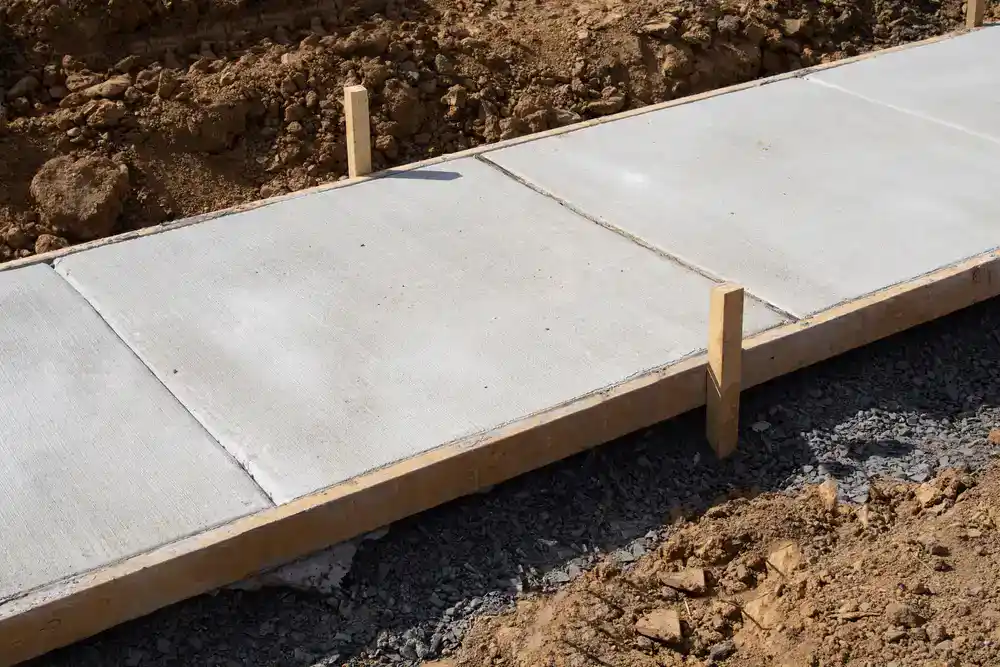
Not all concrete is the same. The mix, the thickness, the reinforcement, how it’s cured—all of it affects how long your concrete lasts. In Texas, where you’re dealing with clay soil, brutal heat, and storms that come out of nowhere, quality becomes even more critical.
Concrete strength is measured in PSI—pounds per square inch. Most residential driveways use 3,000 to 4,000 PSI concrete. If you’re parking heavier vehicles or dealing with high traffic, you want something stronger. Thickness matters too. Standard driveways should be at least four inches thick. Six inches is better if you’re parking RVs or work trucks.
Then there’s reinforcement. Steel rebar or wire mesh gives concrete tensile strength, helping it resist cracking when the ground shifts. In areas with expansive clay soil like Arlington and Pantego, this isn’t a nice-to-have. The soil swells when it rains and contracts when it dries, putting constant pressure on your concrete. Without proper reinforcement, cracks show up fast.
Curing is the other piece most people don’t think about. Concrete doesn’t just dry—it cures through a chemical process that takes time. If it dries too fast in the Texas heat, it weakens and cracks. Proper curing means keeping the surface moist for several days and protecting it from direct sun. Contractors who skip this step are setting you up for repairs within a couple years.
The finish you choose also plays a role. A basic broom finish is slip-resistant and durable. Stamped or stained concrete adds visual appeal but requires sealing to protect against UV damage and moisture. Exposed aggregate is tough and handles traffic well, but it needs to be installed correctly to avoid premature wear.
Quality concrete isn’t just about what goes into the mix. It’s about how the site is prepared, how the concrete is placed and finished, and how it’s protected as it cures. Cut corners on any of these, and you’ll be dealing with repairs sooner than you should.
Planning ahead saves you time, money, and frustration. Concrete work isn’t something you want to rush into, especially if you’re spending thousands of dollars on a driveway or patio.
Start by understanding what you actually need. Are you replacing old concrete, or is this a new installation? If you’re replacing, figure out why the old concrete failed. Poor drainage? Thin concrete? No reinforcement? If you don’t address the root cause, the new concrete will have the same problems.
Next, think about drainage. Water is concrete’s biggest enemy. If water pools on or around your concrete, it will cause damage over time. In Texas, where clay soil holds water like a sponge, proper grading and drainage are critical. We evaluate the site and plan for water runoff as part of every project. If your contractor doesn’t bring it up, that’s a red flag.
Get multiple quotes, but don’t just go with the cheapest one. A low bid often means shortcuts—thinner concrete, no reinforcement, rushed curing, poor site prep. Ask what’s included in the price. Does it cover removal of old concrete? Site grading? Reinforcement? Sealing? A detailed estimate helps you compare apples to apples.
Ask about timelines. Concrete work isn’t instant. There’s site prep, forming, pouring, finishing, and curing. A driveway might take a few days to install, but you won’t be able to drive on it for at least a week. Plan accordingly, especially if it’s your only access point.
Consider the finish. Do you want basic concrete, or something decorative? Stamped concrete looks great but costs more and requires maintenance. A broom finish is affordable, durable, and slip-resistant. Exposed aggregate adds texture and visual interest. Think about how you’ll use the space and what makes sense for your budget and lifestyle.
Finally, check that your contractor is licensed and insured. This protects you if something goes wrong. A licensed contractor also knows local building codes, which matter more than you might think. Permits, inspections, code compliance—these aren’t just red tape. They ensure the work is done safely and correctly.
Planning doesn’t have to be complicated. It just means asking the right questions and making sure you understand what you’re getting before the work starts.
Want live answers?
Connect with a A Plus Home Remodel expert for fast, friendly support.
Concrete work falls into three main categories: pouring new concrete, repairing existing concrete, and reinforcement. Each serves a different purpose, and knowing the difference helps you figure out what your project actually needs.
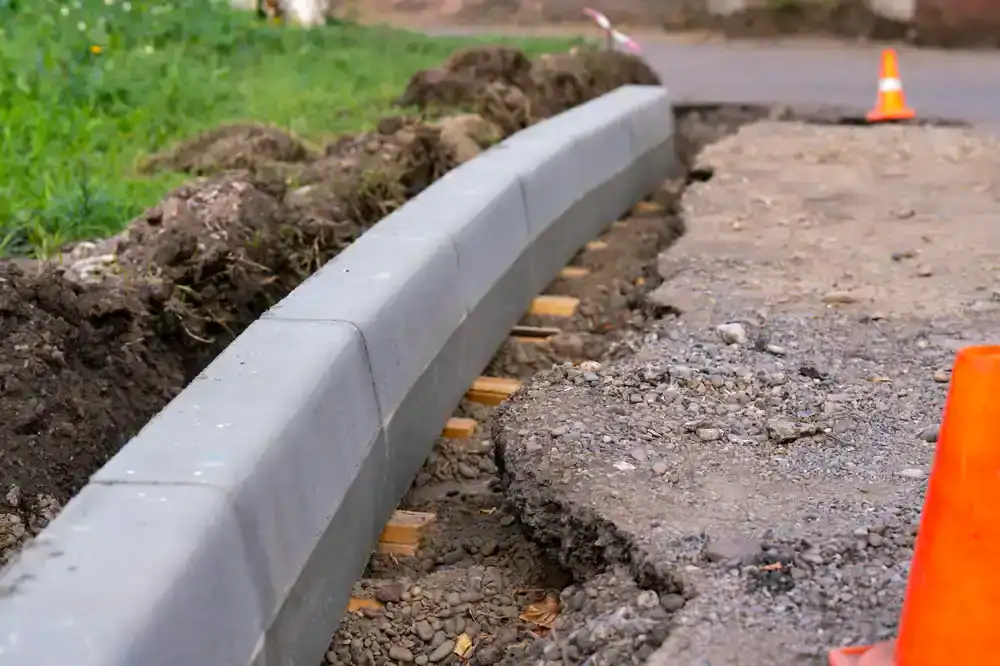
Pouring new concrete means starting from scratch. This includes driveways, patios, sidewalks, and slabs. The process involves site prep, forming, placing the concrete, finishing the surface, and curing. It’s straightforward, but it requires attention to detail at every step.
Repair work addresses problems with existing concrete. This could be filling cracks, leveling sunken slabs, or resurfacing damaged surfaces. Some repairs are simple patches. Others, like leveling, involve lifting the concrete by injecting material underneath. The right repair depends on the extent of the damage and what’s causing it.
Reinforcement is about adding strength to prevent future problems. This includes installing rebar or wire mesh before pouring, or using techniques like crack stitching to stabilize damaged concrete. In Texas, where soil movement is constant, reinforcement isn’t optional—it’s essential for long-term durability.
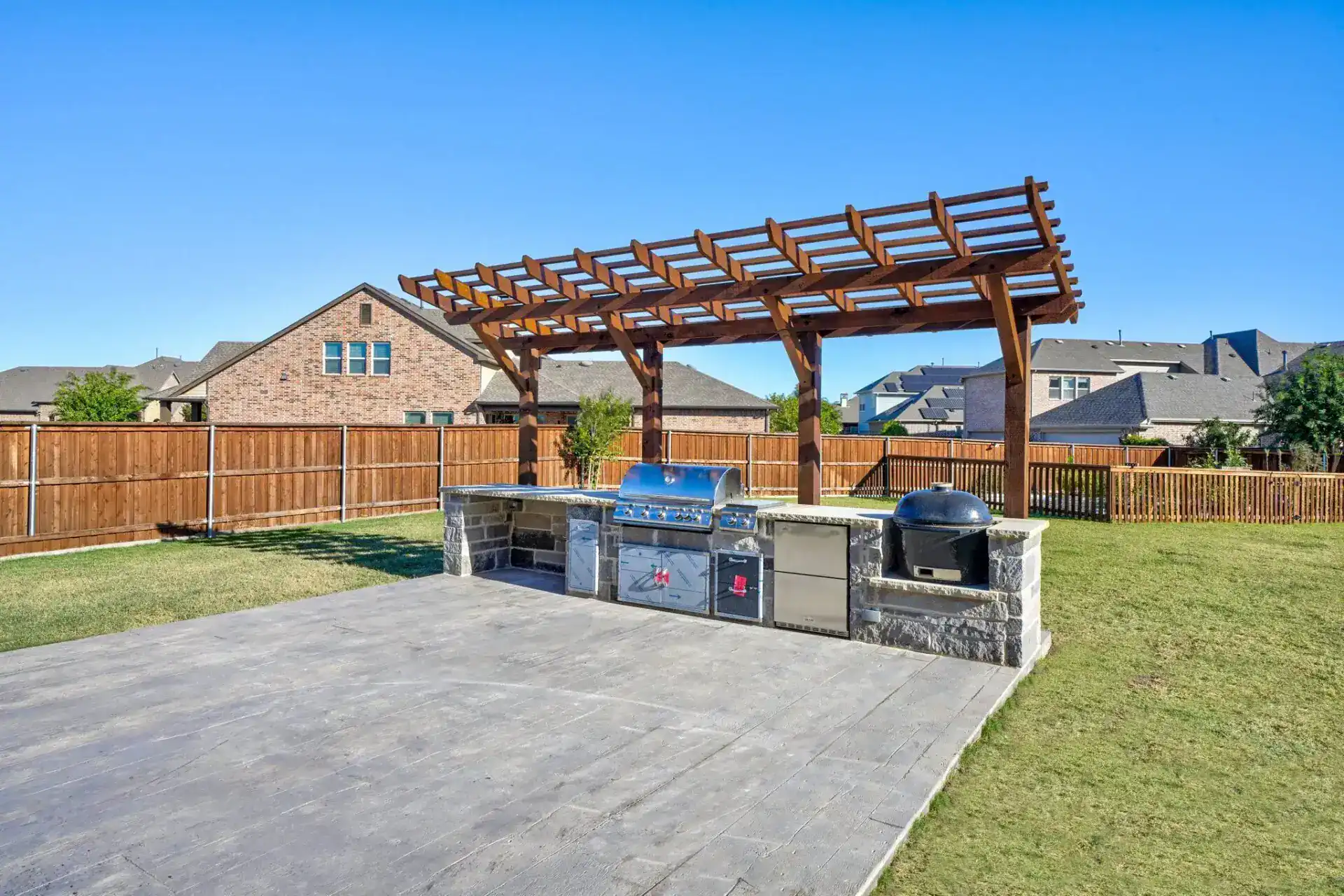
Concrete driveway installation costs vary, but in the Dallas and Tarrant County area, you’re typically looking at $5 to $10 per square foot for standard installations. That puts a basic two-car driveway somewhere between $3,000 and $6,000, depending on size and site conditions.
Several factors affect the final price. Size is the obvious one—more square footage means more material and labor. But thickness matters too. A standard four-inch driveway costs less than a six-inch one, but if you need the extra strength, it’s worth the investment.
Site preparation can add to the cost. If the ground is uneven, you’ll need grading. If there’s old concrete or asphalt to remove, that’s extra. Poor drainage might require installing a French drain or regrading the area. These aren’t upsells—they’re necessary steps to ensure your new driveway doesn’t fail.
Reinforcement adds cost but prevents cracks. Rebar or wire mesh runs about $0.10 to $0.20 per square foot. It’s a small percentage of the total cost, but it makes a huge difference in how long your driveway lasts.
Finishes also impact pricing. A basic broom finish is the most affordable. Stamped concrete, which mimics stone or brick, costs more because it requires additional labor and materials. Staining or coloring adds another layer of cost. Exposed aggregate falls somewhere in the middle—it’s more than basic concrete but less than stamped.
Don’t forget about sealing. A quality sealer protects your driveway from UV damage, moisture, and stains. It costs $0.50 to $1 per square foot, but it extends the life of your concrete and keeps it looking good.
Labor costs vary by contractor, but in Texas, expect to pay $4 to $7 per square foot for installation. This covers everything from site prep to finishing. Peak seasons—spring and summer—tend to be more expensive because demand is high. If you can schedule your project in fall or winter, you might save a bit.
Permits and inspections can add a few hundred dollars, depending on local requirements. Not all projects need permits, but driveways often do. We handle this as part of our service, and it’s included in our estimates.
When you’re comparing quotes, look at what’s included. The cheapest bid might not include site prep, reinforcement, or sealing. A higher bid that covers everything might actually be the better value. Ask questions, get details, and make sure you’re comparing the same scope of work.
Concrete slabs don’t last forever, but not every problem means you need to replace the whole thing. Knowing when to patch, resurface, or replace saves you money and gets you the best long-term result.
Patching works for small cracks and minor damage. If you’ve got hairline cracks or a few chips, a quality concrete patch or epoxy filler can seal them up and prevent water from getting in. This is a temporary fix, though. It won’t stop the concrete from moving or cracking again if the underlying issue isn’t addressed.
Resurfacing is a good option when the surface is damaged but the slab itself is still structurally sound. This involves applying a thin layer of new concrete or a resurfacing compound over the existing slab. It covers up cracks, discoloration, and surface wear, giving you a fresh look without the cost of replacement. Resurfacing works well for patios and walkways, but it’s not ideal for driveways that see heavy traffic.
Leveling is what you need when slabs have sunk or become uneven. This happens when the soil underneath settles or washes away. We can lift the slab by injecting a leveling compound—either polyurethane foam or a grout mixture—underneath. This fills the voids and raises the concrete back to the correct level. It’s faster and cheaper than replacement, and it addresses the root cause of the problem.
Replacement is necessary when the damage is too extensive. If your slab is severely cracked, broken into multiple pieces, or sinking in several areas, patching and resurfacing won’t cut it. Replacement means removing the old concrete, addressing any drainage or soil issues, and pouring a new slab. It’s the most expensive option, but sometimes it’s the only one that makes sense.
How do you know which option is right? Start by assessing the damage. Small, isolated cracks can be patched. Surface wear and minor cracks across a larger area might call for resurfacing. Uneven slabs that have sunk need leveling. Widespread cracking, structural damage, or multiple sinking areas usually mean replacement.
Also consider the age of the concrete. If your slab is relatively new and the damage is minor, repair makes sense. If it’s decades old and showing multiple signs of failure, replacement might be the smarter long-term investment.
Don’t ignore the cause of the damage. If poor drainage or soil movement caused the problem, you need to fix that first. Otherwise, the same issues will come back, whether you patch, resurface, or replace.
Get a professional assessment if you’re not sure. We’ll tell you honestly whether repair is an option or if replacement is the better call. We’ll also explain what’s causing the damage and how we’ll prevent it from happening again.
Concrete work isn’t complicated once you understand what goes into it. Quality matters more than price, and planning ahead saves you headaches later. Whether you’re pouring a new driveway, fixing a cracked patio, or just trying to figure out your options, the key is knowing what questions to ask and what to expect.
Focus on the basics: proper site prep, quality materials, reinforcement, and correct curing. Choose finishes that fit your budget and your needs. Work with contractors who are transparent about pricing, timelines, and what’s included. And don’t skip the maintenance—sealing and regular upkeep extend the life of your concrete and protect your investment.
If you’re ready to move forward with a concrete project in Arlington, Pantego, or Tarrant County, we bring over 30 years of experience, licensed professionals, and a commitment to quality that shows in every project. Reach out when you’re ready to talk through your options.
Article details:
Share:
Continue learning: