Arlington homeowners are discovering that strategic home renovations deliver impressive returns while creating the spaces they love to live in.
Share:
Summary:
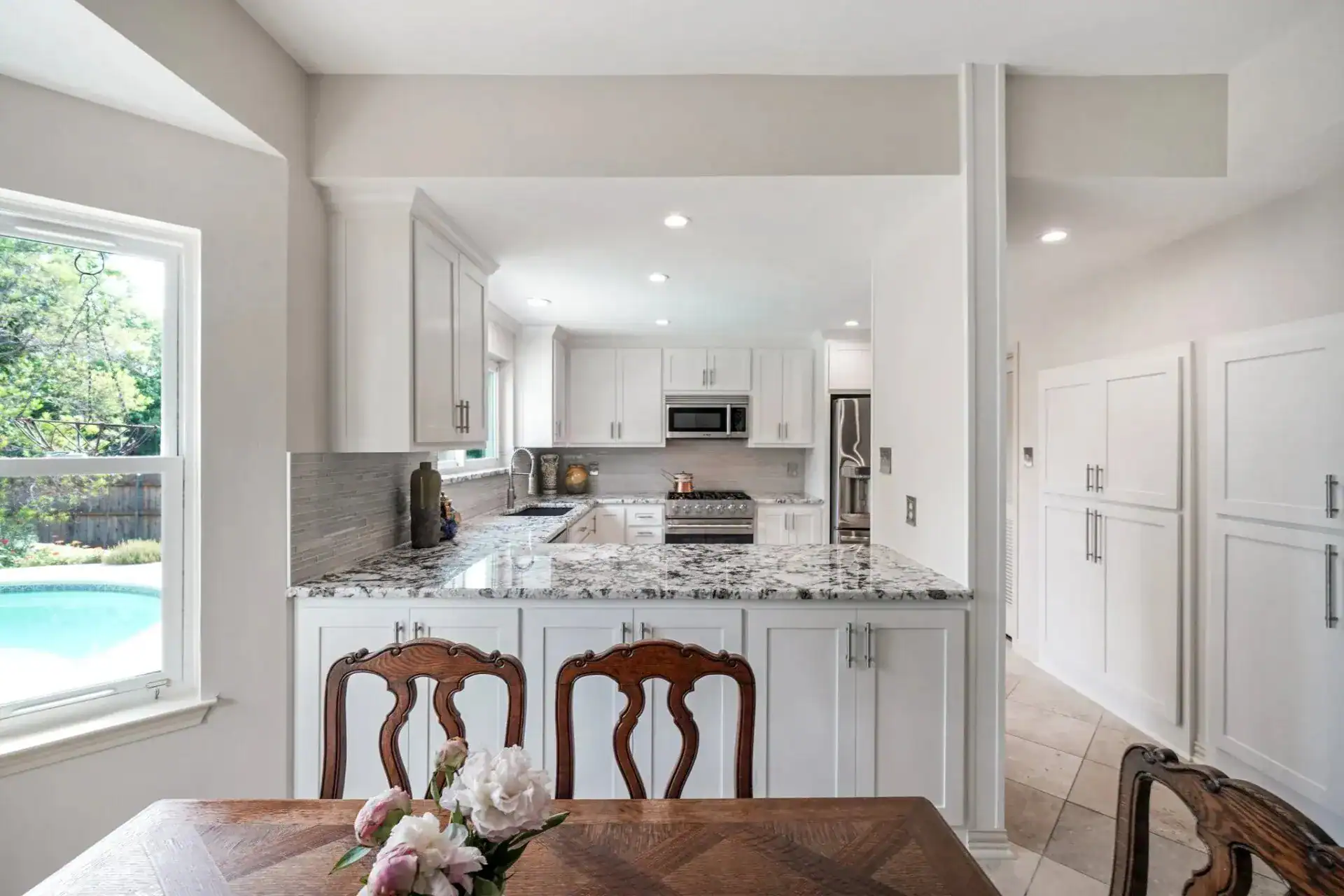
Kitchen remodels can deliver anywhere from 50% to 96% return on investment, with lighter renovations hitting the higher end—meaning a $20,000 kitchen refresh could add $19,200 to your home’s value. That’s not just theoretical. Bathroom renovations can increase your property value by up to 73.7% of what you spend.
Arlington’s median home price sits at $342,419, and today’s buyers are specifically looking for updated homes. When you renovate strategically, you’re not just improving your space—you’re positioning your home ahead of the competition in a market where updated properties stand out.
The renovation market itself is strong. Industry forecasts show a 5% gain in residential remodeling activity for 2025, with housing affordability challenges actually driving more homeowners toward renovation instead of moving.
Not all renovations are created equal when it comes to property value. The projects that buyers notice first—like garage door replacement, siding updates, and deck additions—often deliver the strongest ROI because they create that crucial first impression.
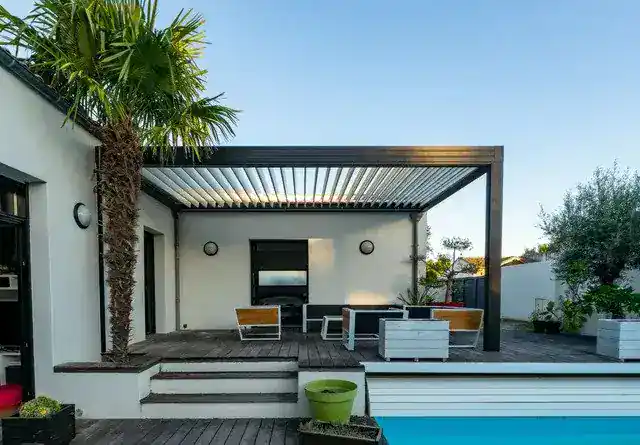
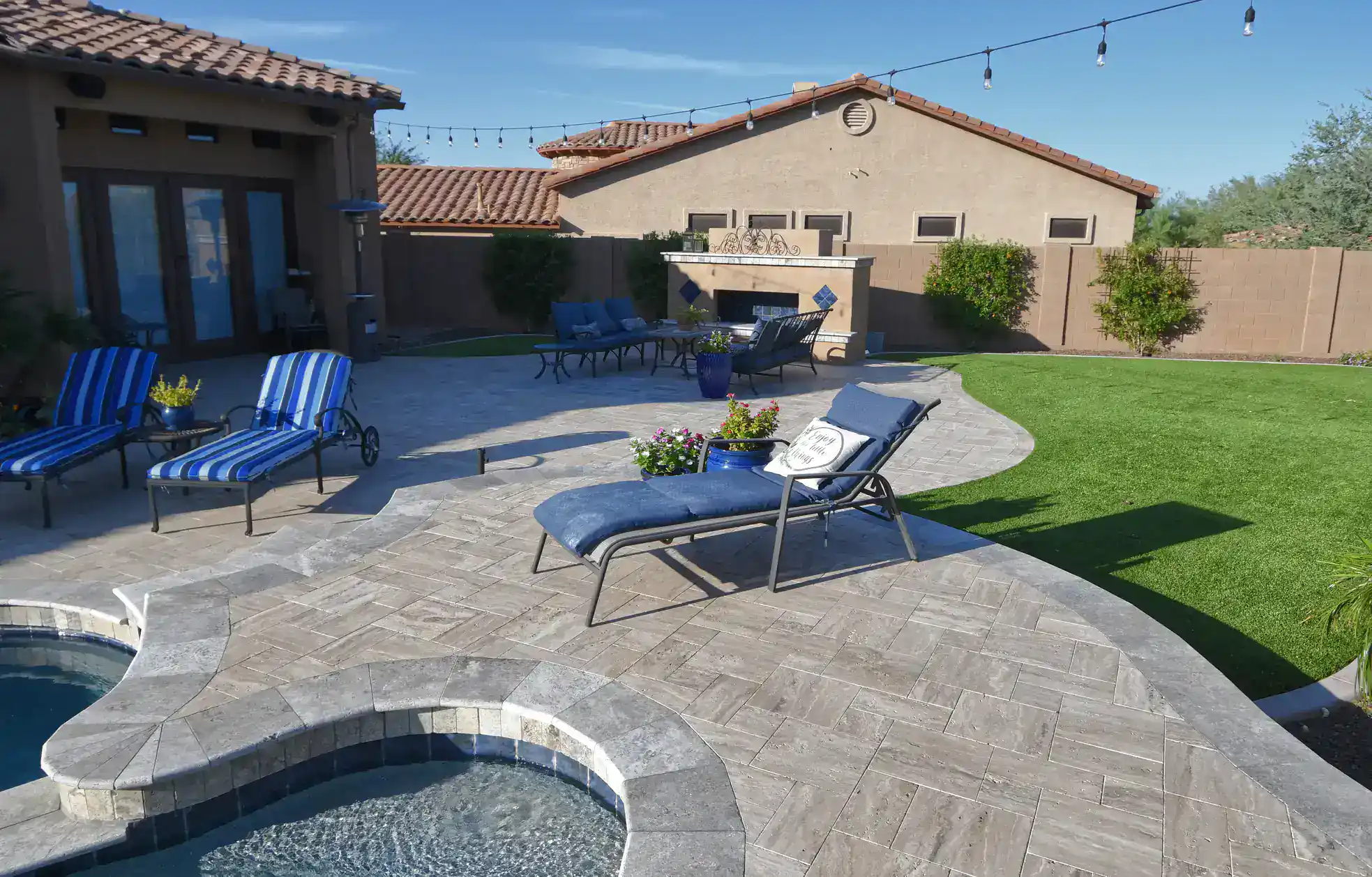
A new steel front door offers 100% cost recovery while enhancing security and curb appeal. Deck construction can recoup between 68% to 83% of your investment, which makes sense given the growing trend toward outdoor living spaces, with patios, decks, and outdoor kitchens becoming standard upgrades.
Inside your home, closet renovations hit 83% cost recovery while adding serious functionality. Energy efficiency improvements like solar panels, smart thermostats, and better insulation yield strong returns, with energy-efficient windows alone achieving about 72.3% ROI.
The key is understanding that the most impactful renovations balance what feels good to live in with what adds tangible market appeal. For bathrooms, 94% of top real estate agents say modernized spaces make homes more appealing, especially when they create that spa-like experience buyers want.
Smart technology integration matters too. Installing smart security systems, voice-activated lighting, or smart locks attracts tech-savvy buyers, and while these don’t dramatically increase property values, they serve as strong selling points in today’s market.
Arlington’s housing market is somewhat competitive, with homes receiving an average of 2 offers and selling in around 38 days. The area benefits from strong fundamentals—major employers including UT Arlington, diverse job opportunities in healthcare and technology, plus excellent schools and family-friendly amenities.
Renovation costs have been climbing 6-8% annually since 2020 due to labor shortages and material costs, with the National Association of Home Builders predicting moderate increases again in 2026. Interest rates may drop in late 2025, and material availability has stabilized compared to prior years, meaning delaying could mean higher contractor and material fees down the line.
Here’s what’s driving renovation demand locally: Texas has seen significant increases in renovation activity, with the South Atlantic region holding 21% of the renovation market share, largely driven by population growth and high homeownership rates. In Dallas-area markets like Arlington, homeowners are choosing to remodel instead of relocate due to limited inventory in the high-end real estate market.
For most homeowners—89%—housing affordability wasn’t the deciding factor to remodel, but for 9%, rising home prices and mortgage rates motivated them to improve rather than move. With homeowner equity increasing 0.7% year-over-year in Q1 2025, many Arlington residents have the financial flexibility to tackle significant improvements.
The bottom line: market conditions support renovation activity, with solid labor markets, rising home values, and continued improvement in existing home sales driving a projected 1.2% increase in home renovation spending for 2025.
Want live answers?
Connect with a A Plus Home Remodel expert for fast, friendly support.
Many homeowners say the biggest benefit of remodeling is how it makes them feel in their space, with these upgrades being lifestyle investments rather than vanity projects. The top reasons people renovate tell the real story: 27% to upgrade worn-out surfaces and materials, 19% to improve energy efficiency, and 18% simply because it’s time for a change.
Projects that earn perfect satisfaction scores include primary bedroom suite additions, which create personal retreats with walk-in closets, spa-like bathrooms, and space to breathe. Kitchen upgrades remain deeply personal and satisfying, transforming the heart of the home with new cabinets, countertops, better flow, and modern appliances.
The renovation process itself has evolved. Fifty-seven percent of contractors report that project scales have increased, with homeowners either tackling larger projects or remodeling multiple rooms, which aligns with 46% of home buyers being less willing to compromise on home condition when purchasing.
According to 56% of industry experts, the biggest trend for 2025 is cohesive indoor-outdoor design, with homeowners prioritizing outdoor living and backyard upgrades more than ever. We’re seeing shifts toward double islands in kitchens, statement backsplashes, and custom cabinetry that actually hides appliances.
Material choices embrace earthy, classic options like marble, oak, and limestone, but with bold veining, matte finishes, and darker tones. The style direction favors modern Mediterranean, updated traditional, and quiet luxury—warm woods, creamy tones, layered neutrals, and personalized design choices like built-in coffee stations, custom closets, and private wellness spaces.
Home offices and outdoor spaces have become extremely coveted features, with our homes serving multiple functions more than ever before. According to recent surveys, homebuyers prioritize move-in readiness, bedroom count, and overall home size, with more than half placing importance on dedicated home office space.
While outdoor renovations are trending, kitchens still dominate remodeling projects with demand for open-concept layouts, spacious islands, high-end appliances, and smart home technology integration. Bathroom renovations focus on modern designs that improve efficiency and comfort, featuring curbless showers, freestanding tubs, and eco-friendly materials for spa-like retreats.
Popular specific trends include cohesive indoor-outdoor design, nature integration, spa-like bathrooms, thoughtful storage solutions, mixed materials, and color drenching techniques.
The biggest frustration homeowners report is receiving low initial estimates only to discover actual costs are significantly higher once construction begins. The skilled labor shortage means homeowners are experiencing higher renovation costs, fewer available contractors, and longer project timelines.
Decision fatigue is real—with so many choices in floor plans, materials, fixtures, and finishes, many homeowners feel overwhelmed, which can lead to delays, frustration, or second-guessing their choices. Once construction begins, delays and miscommunications between homeowners, builders, and suppliers can slow progress.
After months or years of planning and building, homeowners understandably want assurance that their finished home meets expectations in terms of design, quality, and functionality. Common specific issues include poor lighting and ventilation, which can make routine tasks challenging and lead to dampness, fogged mirrors, or mold growth.
The solution lies in working with experienced contractors who understand these challenges. The best approach involves working with builders and cost consultants to provide realistic estimates upfront, using detailed construction drawings so contractors can quote accurately, and helping clients prioritize design elements to balance quality and budget.
Smart contractors help homeowners understand potential risks, plan for contingencies, and focus on flexible designs that make future modifications easier and less costly. Clear, builder-friendly documentation reduces confusion and delays, while maintaining open communication between all parties and providing construction oversight ensures the design intent is executed correctly.
The average return on investment for remodeling projects nationally hit 75% in 2024, a welcome change after previous declines. Follow the 30% rule—renovations should ideally cost no more than 30% of your home’s current value, so a $1M home could support a $300K renovation as a sound investment.
The key is balancing immediate enjoyment with long-term value. Focus on projects that bring both ROI and homeowner satisfaction, understanding that not everyone’s remodeling to sell—many are investing for comfort, style, and long-term usability.
Start with what bothers you most about your current space, then prioritize improvements that make everyday life easier while looking good. When in doubt, consult with local real estate professionals who understand what’s trending in Arlington specifically. For comprehensive renovation services that handle everything from design to completion, we bring over three decades of experience to Tarrant County homeowners ready to transform their spaces and boost their property values.
Article details:
Share:
Continue learning: