Summary:
Most homeowners don’t realize how much the material choice drives the outcome of a renovation — not just how it looks on day one, but how it holds up over years of North Texas heat, humidity swings, and the occasional hard freeze. Pick the wrong material and you’re redoing the work sooner than you planned. Pick the right one and the project pays for itself in durability, curb appeal, and home value.
This page is for homeowners in the Tarrant County area who are in the middle of that decision. You’re not just looking for a contractor — you’re trying to figure out what makes sense for your specific home, your budget, and the climate you actually live in. Let’s work through it.
House Renovation Services: What Material Decisions Actually Affect
When people think about renovation, they usually picture the finished product — a clean kitchen, a new fence line, a patio where the cracked concrete used to be. What they don’t always think about is the chain of decisions that gets them there, and how much the material selection shapes everything downstream: the cost, the timeline, the permit requirements, and how long the project actually lasts.
In North Texas specifically, material selection isn’t a generic exercise. The DFW area has a combination of conditions — expansive black clay soils, extreme UV exposure, summer temperatures that regularly exceed 100°F, and occasional hard freezes like the one Winter Storm Uri delivered in 2021 — that disqualify a lot of materials that perform fine in other parts of the country. What works in the Pacific Northwest or the mid-Atlantic can warp, crack, or fade within a few seasons here.
The good news is that once you understand what your materials need to withstand, the decision gets a lot clearer.
Builders and Remodelers: Who Handles What, and Why It Matters for Materials
There’s a distinction worth understanding before you get into material comparisons, and it’s the difference between builders and remodelers. A builder typically works on new construction — they’re starting from a blank lot with standardized specs and supply chains built around volume. A remodeler works within an existing structure, which means matching existing finishes, working around what’s already there, and making material decisions that account for the home’s age, layout, and quirks.
That distinction matters because the materials that make sense for a brand-new build aren’t always the right call for a 1985 ranch home in North Richland Hills or a mid-century property in Haltom City. Older homes have their own material logic — the woodwork details need to match, the tile transitions need to flow, and the exterior finishes need to complement what’s already on the house. One of our customers put it simply after we finished an addition on their home: “The extension is seamless. They matched all the woodworking details of our home.” That’s a remodeling result, not a building result.
When you’re evaluating renovation services, the practical question is whether the contractor has experience working within existing homes — not just building new ones from scratch. We’ve been doing this work in Tarrant County for decades, which means we’ve seen the inside of hundreds of homes across Arlington, Fort Worth, Keller, and Mansfield. We know what materials age well in these specific conditions, what’s likely to cause problems down the road, and how to spec a project so the new work looks like it was always part of the house.
Material selection also affects permitting. In Tarrant County, permit requirements vary by city — Fort Worth, Arlington, North Richland Hills, and Haltom City each have their own building departments with their own rules. Work involving plumbing, electrical, or structural changes requires permits regardless of how simple the project seems. We navigate these municipal requirements without being asked. Unpermitted work creates real problems when you sell your home, and in some cases can require tearing out completed work. It’s not a detail worth skipping to save a few weeks.
Outdoor Living Renovation: Choosing Materials That Survive a Tarrant County Summer
Outdoor renovation is where material selection becomes the most consequential — and where homeowners most often get burned by advice that wasn’t written with North Texas in mind. The combination of sustained extreme heat, UV intensity, humidity cycling, and Tarrant County’s notorious black gumbo clay soil creates a set of conditions that narrows your best options pretty quickly.
Take fencing. Cedar and vinyl are the two most common choices in this area, and both have legitimate cases. Cedar — particularly when it’s properly treated — holds up better than standard pine because its natural oils resist rot and insect damage. It looks warm and natural, and it can be stained or painted to match your home. The downside is that wood in general requires more maintenance in Texas weather. Moisture and heat cycles cause wood to expand, contract, and eventually warp or crack if it’s not properly maintained. If you want the look of wood without the upkeep, vinyl is worth a serious look. It doesn’t expand or contract the way wood does, it won’t rot, and it holds its color without annual staining. The tradeoff is that vinyl can look less natural and, in very high-end neighborhoods, may not satisfy HOA aesthetic requirements.
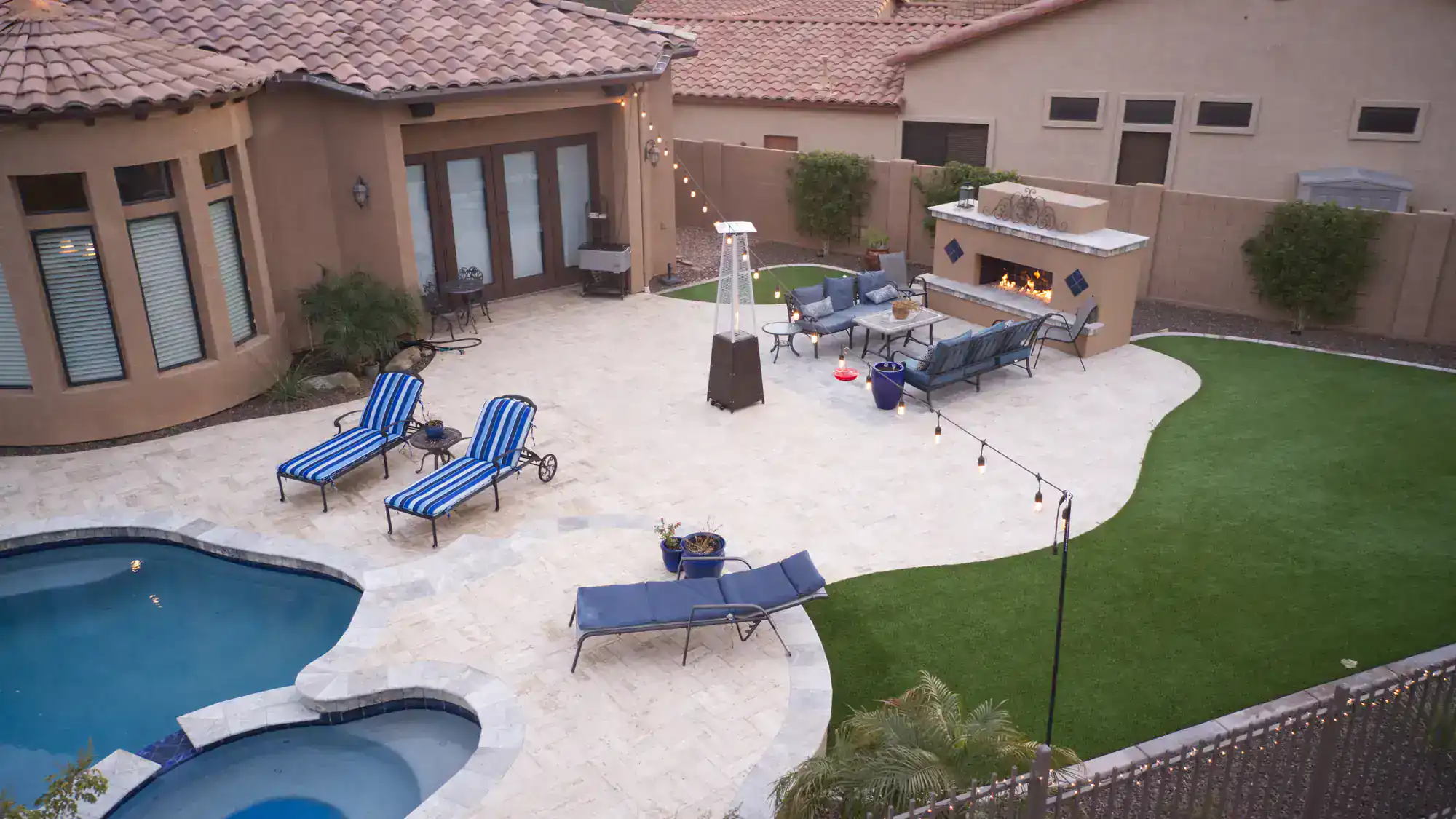
For patios and outdoor surfaces, concrete and travertine are both strong performers in the DFW climate. Decorative concrete is versatile, durable, and can be stamped or stained to achieve a range of looks — but it needs to be properly sealed to handle Tarrant County’s clay soil movement and the occasional freeze event. Travertine has a natural advantage in extreme heat: it stays surprisingly cool underfoot even when the sun has been beating on it all afternoon, which makes it genuinely pleasant to use during a Texas summer. It’s been used for centuries in hot climates for exactly that reason. The consideration with travertine is that it requires proper installation with flexible-grade grout to accommodate any ground movement — something that matters a lot when you’re building on expansive clay.
Fall is the right window for outdoor renovation in North Texas. Once summer heat breaks — typically in September — conditions become dramatically better for concrete curing, fence post installation, and surface work. If you’re thinking about a fencing project, a new patio, or a backyard redesign, getting it done in fall means the work cures and settles properly before winter, and you’re ready to actually enjoy the space when spring arrives. That window fills up faster than most people expect.
What to Look for in Renovation Services Before You Sign Anything
Material selection is one part of the equation. The other part is making sure the contractor you hire is actually equipped to execute on the materials they’re recommending. This is where a lot of renovations go sideways — not because the homeowner chose the wrong tile or the wrong fence material, but because the contractor who installed it cut corners, swapped in cheaper substitutes after the contract was signed, or disappeared when something went wrong.
A fixed-price estimate eliminates that risk entirely. It means the number you agree to at the start is the number you pay at the end, full stop.
How to Vet a Home Renovation Contractor in the DFW Area
In Texas, there’s no single statewide license required to call yourself a general contractor. That means the barrier to entry is lower than most homeowners realize, and it makes the vetting process more important — not less. The work that matters most — plumbing, electrical, HVAC — requires specific licenses through state boards like the Texas State Board of Plumbing Examiners and the Texas Department of Licensing and Regulation. If a contractor is doing that work without the right credentials, you’re exposed.
The practical checklist for vetting a renovation contractor in Tarrant County starts with licensing and insurance. Any reputable contractor should be able to show proof of general liability coverage and workers’ compensation. Without those, any accident on your property becomes your financial problem. Beyond insurance, ask specifically whether they use an in-house crew or subcontractors. This isn’t a minor distinction. When a contractor subs out work, accountability gets diffuse — if something goes wrong, the contractor blames the sub, the sub is gone, and you’re left trying to figure out who’s responsible. An in-house licensed crew means one accountable party from start to finish.
References matter too — and specifically local references. A contractor who’s been working in North Richland Hills, Arlington, and Fort Worth for decades can point you to finished projects nearby that you can actually go look at. That’s a different kind of confidence than a portfolio of photos from somewhere else. Ask for names of recent customers in your area and follow up. Satisfied customers in this business tend to be genuinely enthusiastic about sharing their experience, and a quick conversation with one of them tells you more than any sales pitch.
Finally, ask about warranties in writing. A contractor who stands behind their work should be willing to put that in the contract — covering both materials and workmanship, not just one or the other. Verbal assurances disappear. Written warranties don’t.
Real Questions Tarrant County Homeowners Ask Before Starting a Renovation
**Do I need a permit for my renovation in Tarrant County?**
It depends on the scope of work and which city you’re in. Each municipality in Tarrant County — Fort Worth, Arlington, North Richland Hills, Haltom City, Mansfield — has its own building department and its own permit thresholds. Any work that touches electrical, plumbing, structural elements, or significantly alters the exterior of your home will require a permit. Fencing, in many cases, also requires one depending on height and placement relative to property lines. We assume you need a permit and confirm with your local building department. We pull permits as standard practice — not as an upsell. Unpermitted work can complicate your title when you sell and, in some cases, trigger required demolition of completed work.
**Is cedar or vinyl the better fence material for North Texas?**
Both are legitimate choices, and the right answer depends on your priorities. Cedar holds up better than standard wood in the Texas climate because of its natural resistance to rot and insects, but it does require periodic maintenance — staining or sealing every few years to keep it looking sharp and structurally sound. Vinyl requires almost no maintenance and won’t warp or crack through heat and humidity cycles, but it doesn’t have the same natural warmth as wood. If your neighborhood has an HOA — which is common throughout Tarrant County’s suburban communities — check their material and color guidelines before you commit. We’ve handled HOA submissions for homeowners across this area and know how to navigate those requirements without delaying your project.
**How do I know if a contractor’s quote is actually accurate?**
The most reliable signal is a fixed-price contract. If the quote is an estimate that’s subject to change based on conditions discovered during the project, you’re exposed to change orders. A detailed written quote that specifies materials by grade and manufacturer, outlines the full scope of work, and includes a clear payment schedule gives you something to hold the contractor to. Vague quotes with line items like “materials TBD” or “labor as needed” are not quotes — they’re placeholders. Ask for specifics, and if the contractor can’t provide them, that tells you something important before any money changes hands.
How to Choose Renovation Services That Hold Up Long-Term in North Texas
The material you choose and the contractor you hire are two sides of the same decision. Getting one right and the other wrong still leaves you exposed. In Tarrant County’s climate — clay soils, extreme heat, occasional hard freezes, and HOA requirements that vary neighborhood to neighborhood — there’s real value in working with someone who’s been doing this work locally for a long time and has the track record to show for it.
The right renovation doesn’t just look good on completion day. It holds up, it adds measurable value to your home, and it doesn’t come back to haunt you when you sell. That’s the standard worth holding your contractor to.
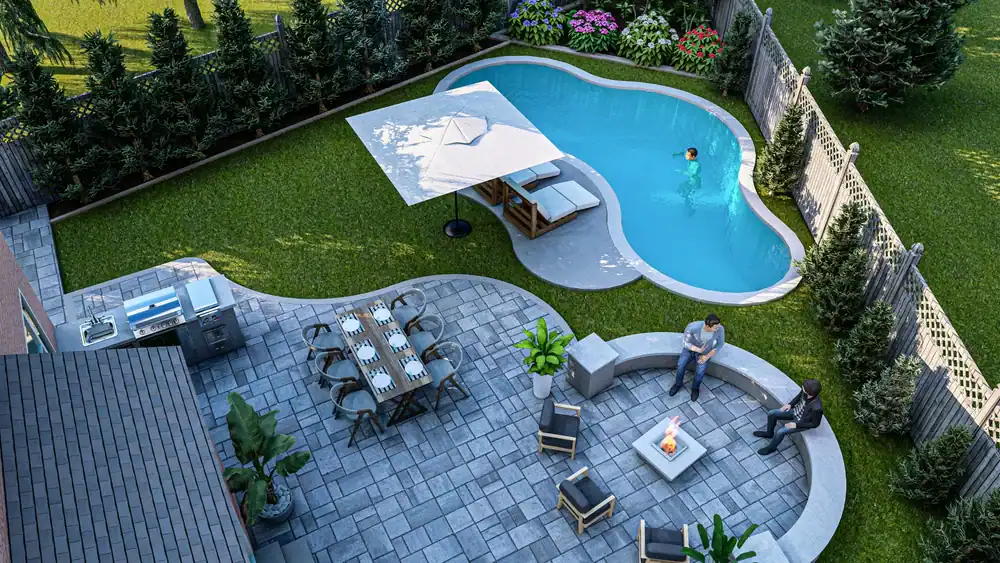
If you’re ready to talk through your project — whether it’s a fencing installation this fall, an outdoor living space, a kitchen or bathroom update, or something else entirely — we’re the place to start. We offer digital design visualization before any work begins, so you can see exactly what you’re getting before you commit to anything.