
Hear from Our Customers
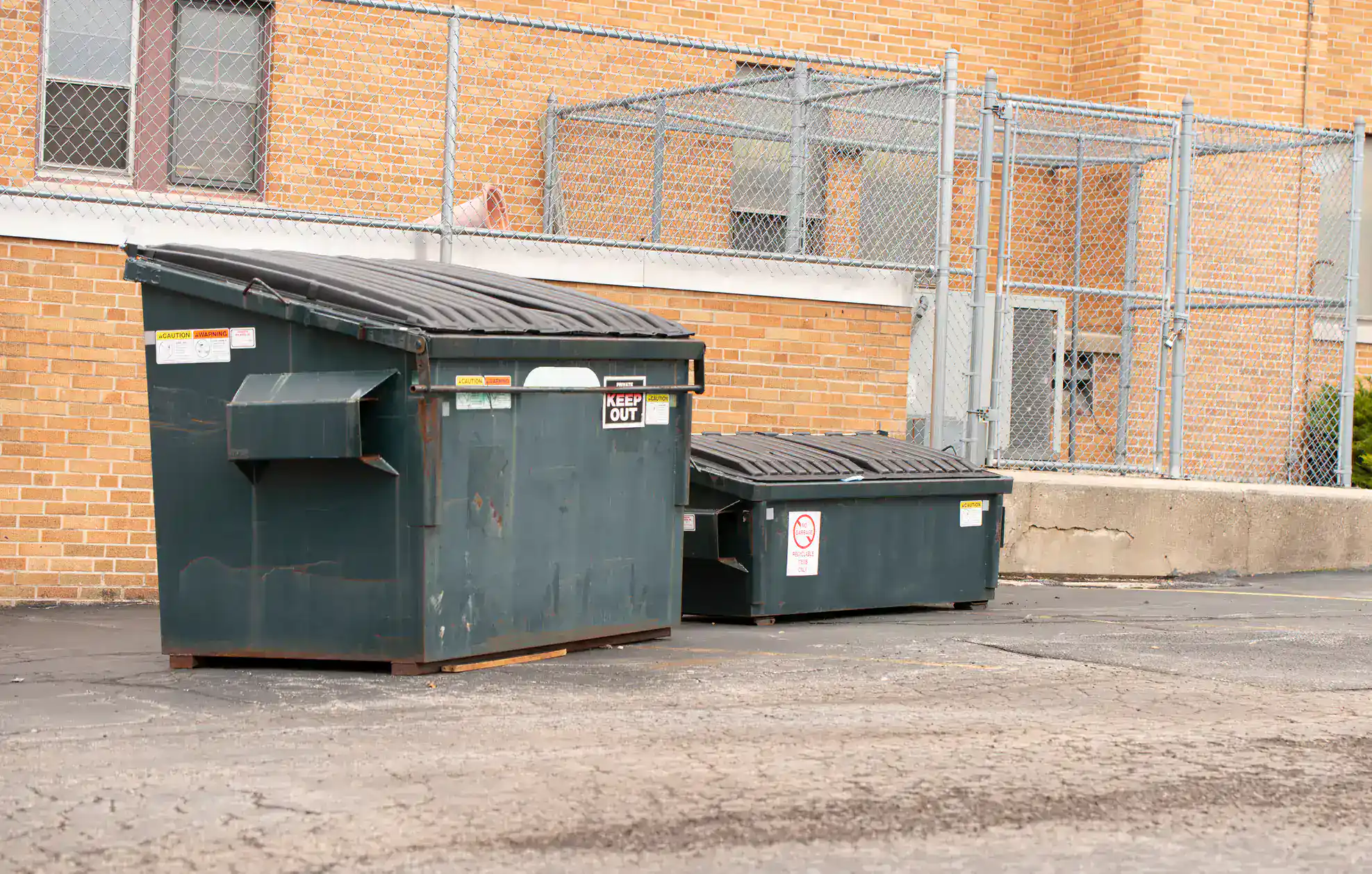
When you’re knee-deep in a kitchen remodel or bathroom renovation, the last thing you need is construction debris piling up in your driveway. You need that waste gone so you can focus on what matters—getting your project finished right.
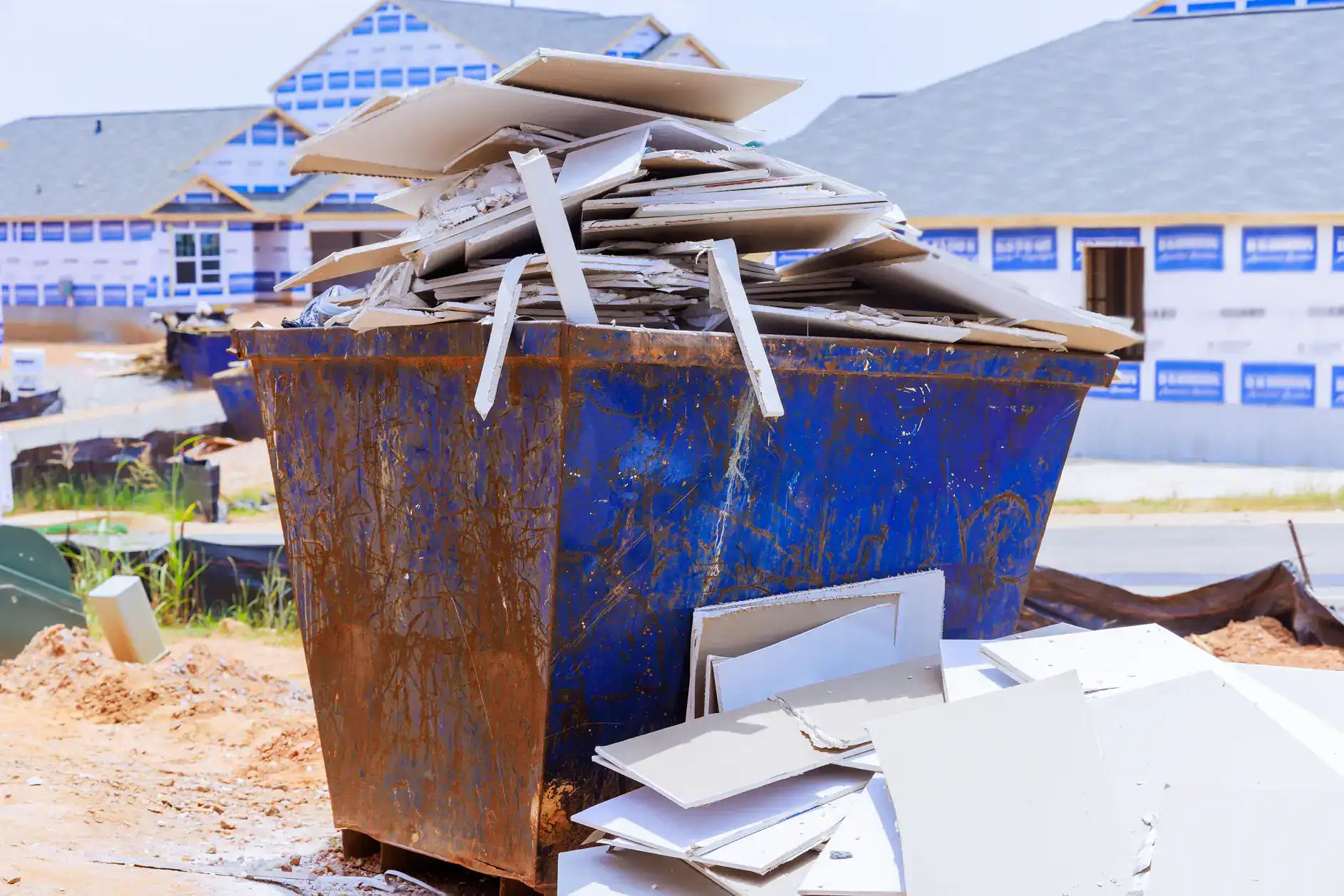
Our roll-off dumpsters handle everything from drywall scraps to old fixtures, keeping your Crestwood property clean and your timeline intact. No more stuffing your regular trash cans or making endless trips to the dump.
You get the right size container delivered exactly when you need it, picked up when you’re done, and transparent pricing that won’t surprise you later.
A Plus Home Remodel has been handling construction projects across Tarrant County for over three decades. We understand how Crestwood’s established neighborhoods work—from HOA requirements to city permit processes.
Our dumpster rental service comes from the same commitment that’s made us the go-to remodeling contractor for over 400 local projects. We show up when we say we will, handle the details you shouldn’t have to worry about, and keep your property looking professional throughout your renovation.
Licensed, insured, and locally owned. We’re not going anywhere, which means you can count on us to be here when you need us.
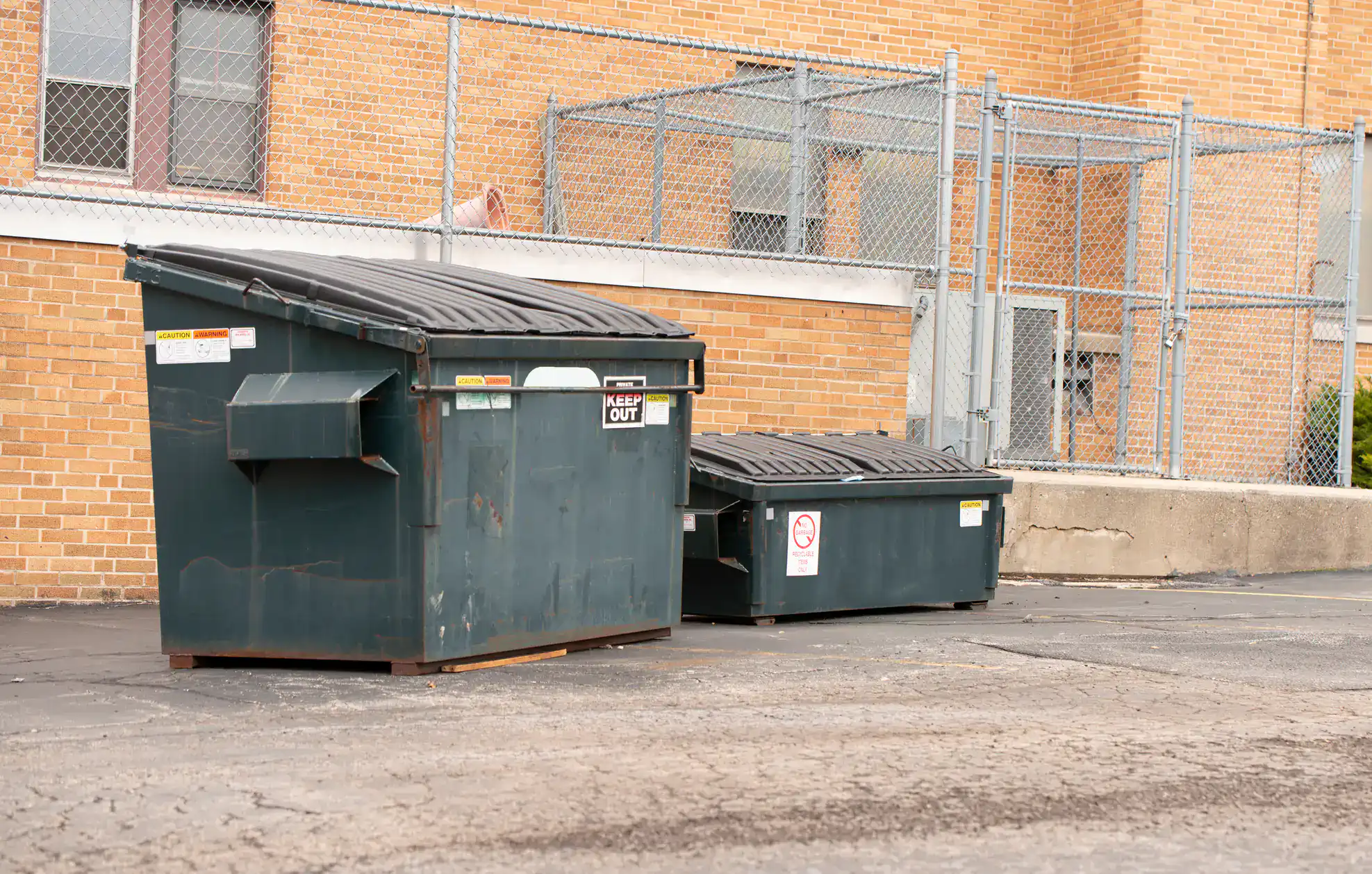
First, we discuss your project timeline and debris type to determine the right dumpster size. Whether you’re gutting a bathroom or renovating your entire kitchen, we match the container to your specific needs—no guesswork involved.
Next, we handle delivery and placement. Our drivers survey your property to position the dumpster safely and conveniently, whether that’s in your driveway or another approved location. We take care of any required permits and coordinate with HOA requirements if needed.
Finally, when your project wraps up, one call gets your dumpster picked up promptly. We handle proper disposal of your construction debris, following all local regulations so you don’t have to think about it.
Ready to get started?
Our dumpster rental service handles the realities of Texas home renovation. From the heat that makes quick debris removal essential to the specific disposal requirements for construction materials in Tarrant County, we’ve got it covered.
Crestwood’s established homes often mean working in tighter spaces with mature landscaping to protect. Our drivers know how to navigate these neighborhoods and place containers without damaging driveways, sidewalks, or your neighbor’s property.
We accept most construction debris including drywall, flooring materials, fixtures, and general renovation waste. Hazardous materials require special handling, which we coordinate separately to keep your project compliant with local regulations.
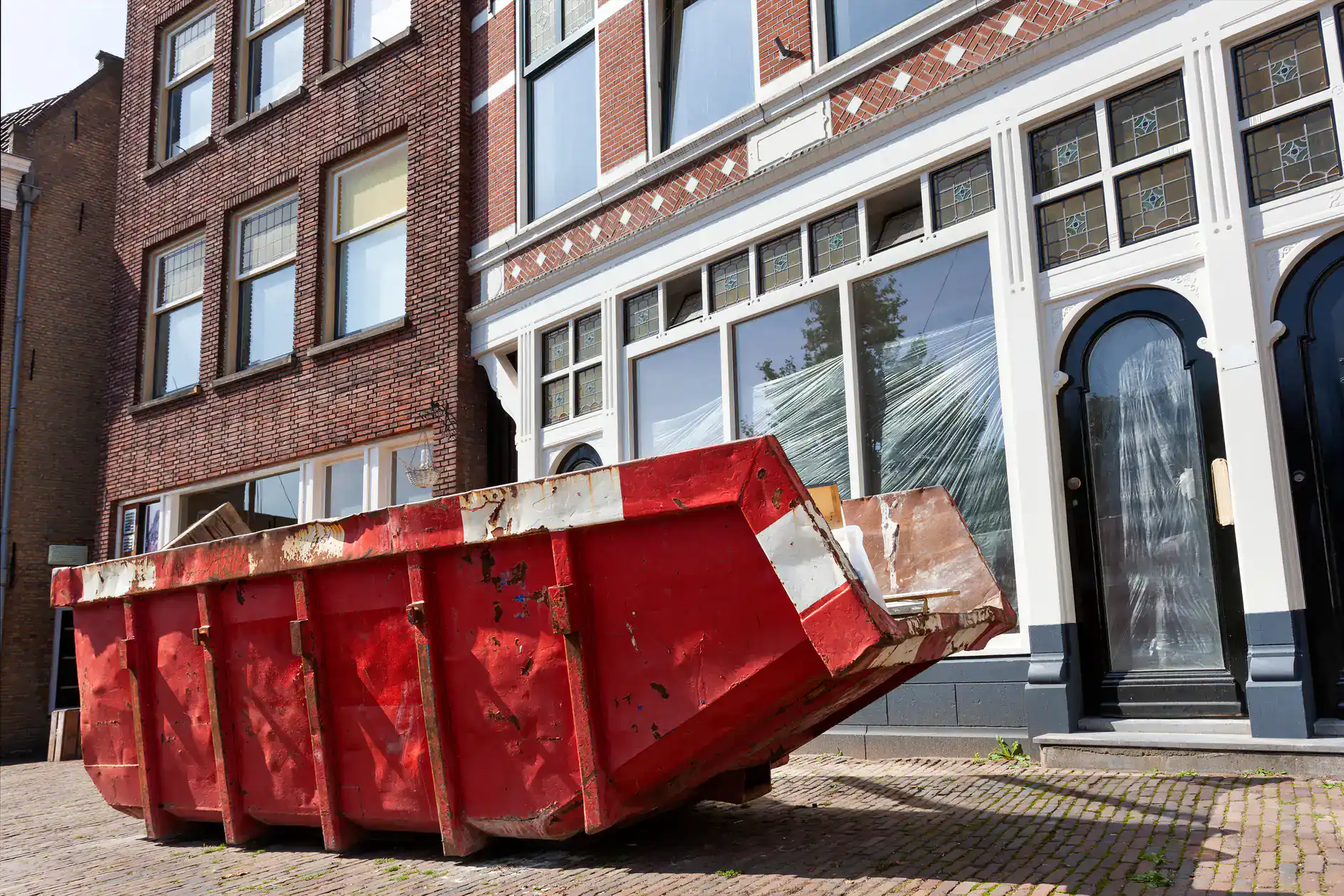
For most kitchen remodels, a 20-yard dumpster handles the job perfectly. This size accommodates cabinets, countertops, flooring, drywall, and appliances from a typical kitchen renovation.
If you’re doing a complete gut job including structural changes, you might need a 30-yard container. We’ll walk through your specific project during our free consultation to recommend the right size.
The key is matching container size to your timeline and debris type. A 20-yard dumpster holds roughly ten pickup truck loads, which covers most kitchen projects without paying for unused space.
If the dumpster stays on your private driveway or property, no permit is required. Most Crestwood homeowners can accommodate our containers in their driveways without issues.
However, if we need to place the dumpster on a public street or right-of-way, you’ll need a city permit. We handle this process for you, coordinating with Fort Worth city offices to secure the proper permits.
Some HOA communities have specific rules about dumpster placement and duration. We’re familiar with most Crestwood neighborhood requirements and can help navigate any restrictions before delivery.
Our standard rental period is 7-10 days, which covers most home renovation projects. If your timeline extends beyond that, we offer flexible extensions without hassle.
Many Crestwood remodeling projects take longer than expected—that’s normal. We work with your actual timeline, not arbitrary deadlines that don’t match real construction schedules.
Extended rentals are charged fairly with no surprise fees. We discuss potential timeline changes upfront so you know exactly what to expect if your project runs longer than planned.
We accept most standard construction debris including drywall, wood framing, flooring materials, fixtures, cabinets, and general renovation waste. Basically, if it comes out of your house during remodeling, it can go in the dumpster.
Items we can’t accept include hazardous materials like paint, chemicals, asbestos, and certain appliances with refrigerants. We’ll provide a complete list of acceptable materials when you book your rental.
For specialty disposal needs, we coordinate proper handling through appropriate facilities. This ensures your project stays compliant with local regulations while keeping the process simple for you.
Pricing depends on container size, rental duration, and debris type. We provide transparent, written estimates with no hidden fees—what we quote is what you pay unless you change the original scope.
Most residential renovation projects in Crestwood fall into predictable price ranges based on dumpster size. We’ll give you an exact quote during our free consultation based on your specific needs.
Unlike some companies that surprise you with additional charges, our pricing includes delivery, pickup, disposal fees, and basic rental period. Any potential extra costs are discussed upfront, not discovered later.
Absolutely. Our drivers have extensive experience navigating Crestwood’s mature neighborhoods with established landscaping and narrower streets. We protect your property and your neighbors’ during delivery and pickup.
We conduct free site surveys before delivery to ensure proper placement without damaging driveways, sidewalks, or landscaping. Our trucks are equipped to handle tight spaces while maintaining safety standards.
If access is challenging, we work with you to find alternative placement solutions. Sometimes that means coordinating with neighbors or using smaller containers that fit better in restricted spaces.