
Hear from Our Customers
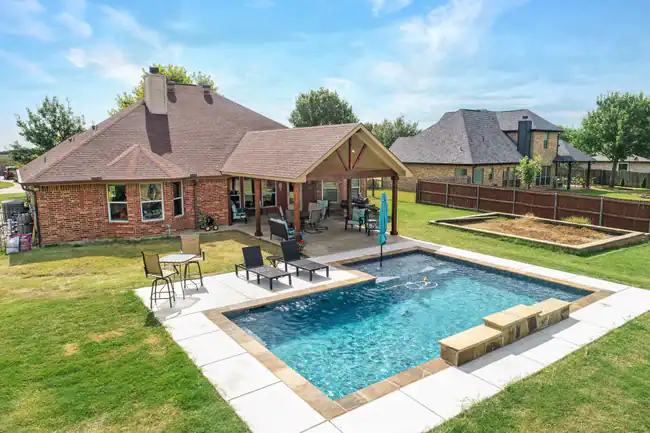
Your backyard in Highland Hills has potential you’re not using. Maybe it’s too hot to enjoy past 10 AM. Maybe water pools after every storm because the clay soil won’t drain. Maybe your concrete patio cracked within two years and now it’s a tripping hazard.
Here’s what changes when the work gets done right. You get a covered patio that actually provides shade during those 100-degree stretches from June through September. You get proper drainage solutions that account for North Texas clay soil instead of fighting it. You get materials selected specifically because they hold up here—not because they looked good in a catalog.
Most Highland Hills homes were built in the 1950s and 60s with generous backyard lots. That’s rare now. But if you’re not using that space because it’s uncomfortable or falling apart, you’re losing out on one of the best features your property offers. The ROI on patio work alone can hit 95% in the DFW area. That’s not just about resale value. That’s about getting your money’s worth while you’re actually living there.
We’ve been working in Tarrant County for over 30 years. We started because too many homeowners were getting burned by contractors who’d take deposits and disappear, or finish half a job and move on to the next one.
We handle backyard remodels the same way we handle kitchens and bathrooms—with one point of contact, fixed pricing, and no surprises halfway through. You’re not juggling multiple crews or wondering who’s responsible when something goes wrong.
Highland Hills homeowners deal with specific challenges. Your soil is heavy clay. Your summers are brutal. Your home might have original concrete from the 60s that’s finally giving out. We’ve seen it all, and more importantly, we know how to build for it. Every project gets permitted properly through Tarrant County, and every installation comes with warranty coverage because we’re not going anywhere.
First, we come out to see what you’re working with. We’re looking at your existing space, drainage issues, sun exposure, and what you actually want to use the backyard for. Not every Highland Hills lot is the same, even if the houses look similar from the street.
You’ll get a detailed estimate with fixed pricing. No allowances that balloon later. No vague line items. If we’re pouring a concrete patio, you’ll know the cost per square foot, the thickness, the base prep work, and how we’re addressing your clay soil. If you’re adding a covered porch, you’ll see the timeline—usually four to seven days—and what materials we’re using.
Once you approve, we handle the permits. Then we start work. Most patio projects take three to seven days depending on size and complexity. We’re not bouncing between five other jobs. We show up, we finish, and we clean up after ourselves.
You’ll have one contact through the whole process. If something changes or a problem comes up, you’re not tracking down different subcontractors. And when we’re done, you get warranty coverage on the installation. That’s it. No drama.
Ready to get started?
We handle the full scope—concrete patios, covered porches, cedar fencing, drainage solutions, and decorative concrete. If your backyard needs multiple fixes, you’re not hiring three different contractors and hoping they coordinate.
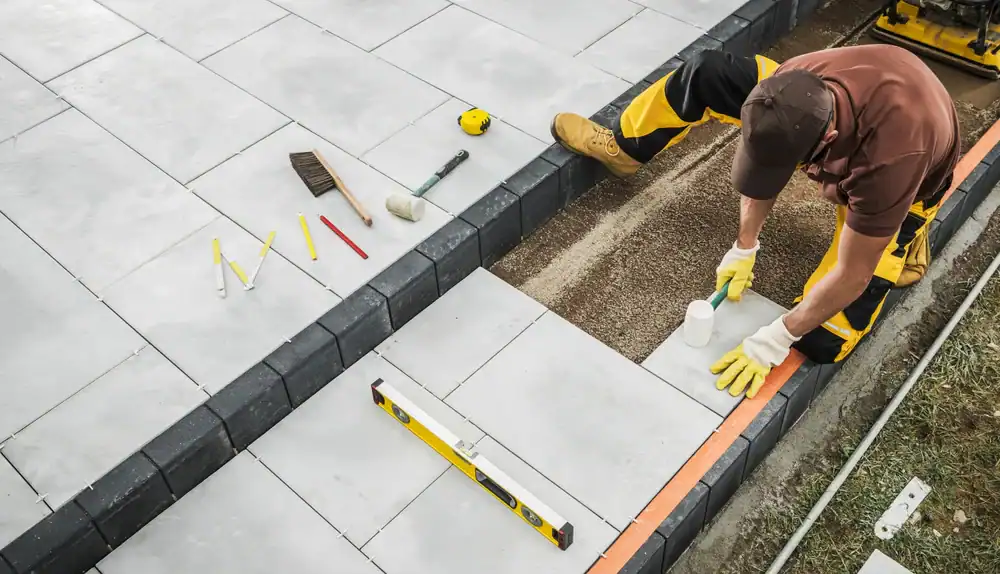
Concrete work gets done with fiber-reinforced mix and proper base preparation. That matters in Highland Hills because your clay soil expands and contracts with moisture. Shortcuts here mean cracks within a year. We excavate properly, use compacted base material, and install control joints where they’re actually needed.
Cedar fencing is popular in North Texas, but it fails fast if it’s not treated and installed correctly. We set posts deep, use quality cedar that’s been properly dried, and seal it so it doesn’t warp in your first summer. Same goes for covered patios—we’re not just building shade, we’re building structures that handle wind, support ceiling fans, and meet local building codes.
Highland Hills is seeing more homeowners invest in outdoor living spaces as part of the bigger trend across Central Texas. Buyers expect functional backyards here. If yours is outdated or damaged, that’s a red flag during showings. But even if you’re not selling anytime soon, you’ve got the space. You might as well use it.
Basic concrete patio replacement runs $8 to $12 per square foot if you’re just fixing cracked or sunken slabs. That includes demolition, proper base prep for clay soil, and a standard finish. If you want decorative concrete, stamped patterns, or color, expect closer to $12 to $18 per square foot.
A covered patio addition—which most Highland Hills homeowners want because of the heat—typically runs $15,000 to $35,000 depending on size and materials. That includes the structure, roofing, electrical for fans or lights, and permits. Full backyard makeovers with multiple elements like fencing, drainage work, and patio covers can range from $25,000 to $50,000.
Here’s the thing: cheaper bids usually mean shortcuts. And shortcuts in Texas clay soil mean you’re redoing the work in three years. We price for materials that last and installation that’s done right the first time. That’s not the cheapest option, but it’s the one that doesn’t cost you twice.
Clay soil. Highland Hills sits on heavy, expansive clay that swells when it’s wet and shrinks when it’s dry. That constant movement puts pressure on anything sitting on top of it—including your concrete patio.
Most cracking happens because the base wasn’t prepared correctly. If a contractor pours concrete directly on clay without proper excavation and a compacted gravel base, you’re going to see cracks. It’s not a question of if, it’s when. Control joints help, but only if they’re placed correctly and the slab thickness is appropriate for the soil conditions.
We use fiber-reinforced concrete and install a minimum four-inch compacted base layer. That gives the slab something stable to sit on instead of clay that’s constantly shifting. It costs more upfront, but you’re not looking at a cracked mess in two years. And if you’ve got drainage issues on top of clay soil problems, we address those first—otherwise you’re just pouring concrete into a swamp.
A straightforward concrete patio replacement takes three to five days. That’s demo, base prep, forming, pouring, and finishing. You’ll need to stay off it for about a week while it cures fully.
Covered patio construction runs four to seven days depending on size and whether we’re adding electrical or fans. Permitting adds time on the front end—usually one to two weeks to get approval from Tarrant County—but we handle that process.
Full backyard makeovers with multiple components like fencing, drainage work, and patio covers can take two to four weeks. Weather delays happen, especially during storm season. We’ll give you a realistic timeline upfront and keep you updated if anything changes. What we don’t do is start your project, disappear for a week to work another job, then come back when we feel like it. You get a schedule, and we stick to it.
You’ve got to work with the clay soil, not against it. Highland Hills drainage problems usually come from poor grading, compacted soil that won’t absorb water, and nowhere for runoff to go during heavy rains.
First step is regrading your yard so water flows away from your house and doesn’t pool in low spots. Sometimes that’s enough. Other times you need French drains—perforated pipes buried in gravel trenches that collect water and redirect it to a better drainage point. For patios, we slope the concrete slightly so water runs off instead of pooling.
If your backyard turns into a swamp after every storm, that’s a grading problem combined with clay soil that won’t absorb moisture. We can install drainage solutions as part of a larger backyard remodel, or handle it as a standalone project. But if you’re planning to pour a new patio or build a covered porch, you need to fix drainage first. Otherwise you’re building on top of a problem that’s just going to get worse.
Yes, for most projects. Covered patios, porch construction, and structural fencing need permits through Tarrant County. Concrete patio replacement sometimes does, depending on size and whether you’re changing drainage patterns.
Permits aren’t just red tape—they ensure the work meets building codes and won’t cause problems down the line. Inspectors check things like footing depth, structural load, and electrical work. If you skip permits and something goes wrong, your homeowner’s insurance might not cover it. And if you sell your house later, unpermitted work can kill a deal.
We handle permit applications as part of our service. We know what Tarrant County requires, how long approval takes, and what inspectors look for. You don’t have to deal with any of it. The permit cost gets included in your estimate upfront, so there are no surprise fees later. Most permits get approved within one to two weeks, then we start work.
Patios deliver the highest ROI—up to 95% in the DFW area. Buyers expect a functional outdoor space in North Texas, and a well-built patio checks that box. Covered patios add even more value because they extend usability during the brutal summer months.
Cedar fencing is another strong investment if your current fence is falling apart or missing. Highland Hills homes have nice-sized yards, and buyers want privacy and a finished look. Quality fencing that’s properly installed and sealed can last 15 to 20 years.
Drainage solutions don’t add flashy curb appeal, but they prevent major problems that scare off buyers. Nobody wants to buy a house where the backyard floods every time it rains. Fixing drainage issues protects your foundation and makes the outdoor space actually usable. It’s not the most exciting upgrade, but it’s one of the smartest—especially in clay soil areas like Highland Hills.